Maintaining a home goes far beyond keeping it clean and organized. Regular maintenance is critical to preventing small issues from escalating into expensive repairs that disrupt daily life and drain your budget. From structural systems to plumbing and heating, every component of a house requires attention to ensure it functions safely and efficiently.
Proactive homeowners understand that a few hours of regular inspections and upkeep each season can save thousands of dollars over time. Moreover, preventative maintenance not only preserves property value but also enhances comfort, safety, and energy efficiency. This guide outlines essential maintenance tasks, providing practical tips to help homeowners stay ahead of costly problems.
1. Keep Your Drains and Plumbing in Top Shape
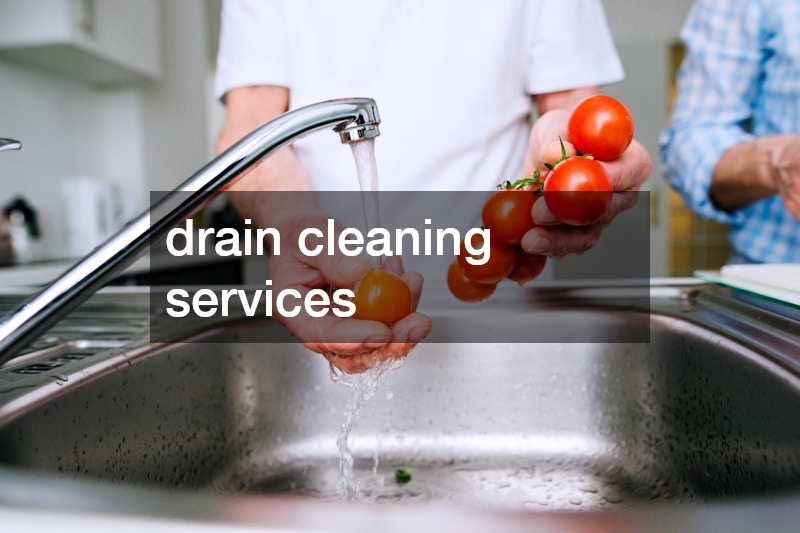
Clogged drains, leaks, and deteriorating pipes rank among the most frequent household problems that escalate when left unaddressed. Even minor plumbing issues, if ignored, can lead to significant water damage that affects flooring, walls, and in severe cases, the foundation. Beyond structural concerns, compromised plumbing can also impact hygiene, energy efficiency, and overall home comfort. A proactive approach to plumbing maintenance helps homeowners detect small problems before they turn into costly emergencies.
Actionable Tips:
-
Schedule routine inspections: Conduct regular checks under sinks, around toilets, and near showers or tubs. Watch for damp spots, discoloration, or unusual odors that may indicate hidden leaks. Monitor water pressure for sudden drops or surges, as these can signal blockages or pipe damage that require attention.
-
Prevent clogs proactively: Simple habits can dramatically reduce the risk of blockages. Avoid pouring grease, coffee grounds, or fibrous food waste down sinks. Install drain strainers to catch hair, food particles, and debris, and clean them frequently to maintain water flow. These small actions prevent the gradual accumulation that often leads to slow drains or complete blockages.
-
Engage professional maintenance: Even with diligent DIY care, some plumbing issues require specialized tools and expertise. Hiring a drain cleaning services provider annually ensures drains remain clear, removes hidden build-ups, and prevents potential pipe damage. Professionals can also detect subtle issues that may not be obvious during visual inspections.
-
Check for corrosion and pipe damage: Older homes often have pipes that show early signs of rust, leaks, or weakened joints. Inspect pipes for discoloration, dripping, or bulging areas. Early identification allows for targeted repairs or replacement before complete failure occurs, preventing water damage that could require extensive restoration.
-
Flush drains periodically: Regular flushing keeps water flowing freely and helps prevent sediment build-up. Use hot water for basic flushing or a safe combination of baking soda and vinegar for a natural cleaning solution. Follow with warm water to rinse the pipes. This routine supports overall pipe health and extends the life of your plumbing system.
By maintaining your plumbing system consistently, you minimize the risk of leaks and water damage, preserve the integrity and lifespan of pipes, and reduce the likelihood of emergency repairs. These preventative steps not only save money but also provide peace of mind, ensuring that the home’s water systems remain safe, efficient, and reliable for everyday use.
2. Maintain Your Roof and Prevent Water Damage
The roof is one of the most critical components of a home, acting as the first line of defense against rain, snow, wind, and other environmental elements. Over time, even well-built roofs can experience wear and tear. Shingles may crack or curl, flashing around chimneys and vents can loosen, and unnoticed leaks can allow water to penetrate ceilings, walls, and insulation. Without regular maintenance, these minor issues can escalate into major structural problems, leading to costly repairs and potential safety hazards.
Actionable Tips:
-
Conduct semi-annual inspections: Examine the roof carefully at least twice a year, ideally in spring and fall. Look for missing, cracked, or curling shingles, sagging areas, and signs of water intrusion inside the attic or ceiling. Pay attention to areas around vents, chimneys, and skylights, as these are common points for leaks to develop. Early detection of problems helps prevent extensive damage.
-
Keep gutters clean and functional: Gutters are essential for directing water away from the roof and foundation. Debris such as leaves, twigs, and dirt can accumulate, causing water to overflow and pool around the home’s foundation or seep behind siding. Regularly clearing gutters and downspouts prevents water damage to both exterior and interior structures. Consider installing gutter guards to minimize debris buildup and reduce maintenance frequency.
-
Address minor repairs promptly: Small leaks or damaged shingles may seem minor at first but can quickly worsen if left unaddressed. Repair or replace damaged shingles, tighten loose flashing, and seal minor cracks immediately. Prompt repairs help avoid water damage to insulation, ceiling materials, and interior finishes, saving significant costs in the long run.
-
Hire professional assessments: Trusted local roofing contractors bring expertise and specialized tools to identify hidden issues that are not visible to the untrained eye. They can detect problems such as underlayment damage, ice dams, or structural weaknesses. Scheduling professional roofing repairs ensures the work is performed safely and according to industry standards, extending the roof’s lifespan.
-
Trim overhanging branches: Trees close to the house can pose multiple risks. Branches rubbing against shingles can cause physical damage, while leaves and debris can accumulate on the roof, trapping moisture. Regularly trim branches to maintain clearance and prevent damage from storms or high winds.
Regular roof maintenance protects the home’s interior from water infiltration, preserves structural integrity, and minimizes the risk of emergency expenses. By investing time and attention in inspections, cleaning, and timely repairs, homeowners can extend the life of their roof, safeguard the property, and maintain peace of mind.
3. Inspect and Repair Driveways, Sidewalks, and Concrete Surfaces
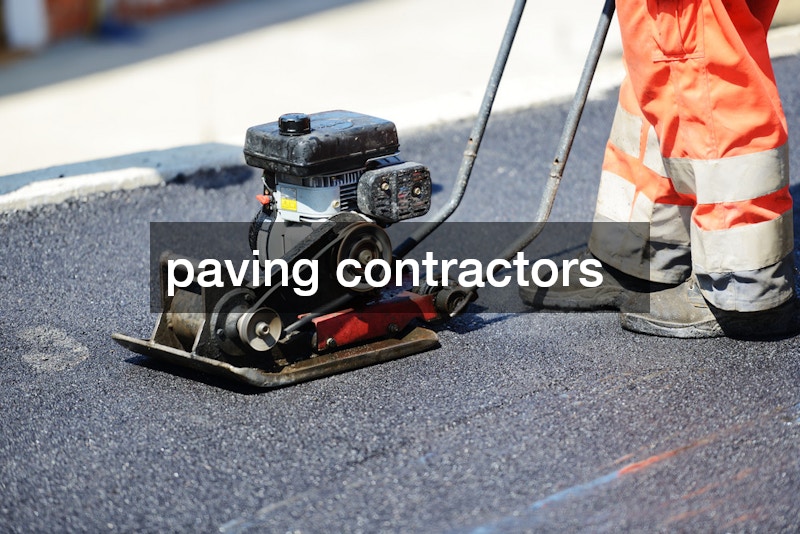
Driveways, sidewalks, patios, and other concrete surfaces are among the most heavily used areas of a home. Over time, exposure to the elements, heavy traffic, and natural settling can cause cracks, chips, and uneven surfaces. These issues are not only unsightly but also create safety hazards for family members and visitors. Left unchecked, minor damage can expand, leading to costly replacements or extensive repairs. Regular inspection and maintenance ensure longevity, safety, and curb appeal for your property.
Actionable Tips:
-
Repair cracks promptly: Even small cracks can allow water to seep into the base of concrete surfaces, which may freeze and expand in colder climates. Use appropriate sealants to fill minor cracks as soon as they appear. Prompt repairs prevent water infiltration that can undermine the foundation of your driveway or sidewalk and reduce the risk of further cracking.
-
Seal driveways and concrete surfaces: Applying a high-quality sealant creates a protective barrier against water, salt, and general wear. Sealing prevents moisture from penetrating the concrete, reduces staining, and protects against the freeze-thaw cycles that can lead to larger cracks. Seal driveways every few years, especially in areas with extreme seasonal changes.
-
Hire professionals for major repairs: For extensive damage such as large cracks, sunken slabs, or uneven surfaces, professional assistance is crucial. Concrete companies have the tools and expertise to perform resurfacing, structural repairs, and leveling that ensure durability and longevity. Attempting major repairs without proper equipment can lead to subpar results and repeated maintenance issues.
-
Plan periodic resurfacing: Over time, even well-maintained concrete may develop minor surface defects due to wear and heavy traffic. Periodic resurfacing restores a smooth, uniform surface, improves aesthetics, and strengthens the structural integrity of your driveway or patio. Regularly assess traffic areas and schedule resurfacing as needed.
-
Monitor for settling or erosion: Uneven surfaces or areas that sink over time can create trip hazards and allow water to pool near the home’s foundation. Have paving contractors evaluate and level these areas as necessary. Proper grading not only improves safety but also protects adjacent structures from water damage and erosion.
Consistent maintenance of concrete and paved surfaces reduces the risk of accidents, prolongs the lifespan of your driveways and sidewalks, and minimizes the need for costly replacements. Taking preventative measures, combined with professional evaluations when needed, ensures your home’s exterior surfaces remain safe, functional, and visually appealing for years to come.
4. Ensure Electrical Systems Are Safe and Efficient
Faulty wiring, outdated panels, and overloaded circuits can create fire hazards and disrupt household operations. Maintaining your electrical system is critical for both safety and efficiency.
Actionable Tips:
-
Schedule inspections: Have a licensed electrician inspect the wiring, outlets, and breaker panels annually.
-
Replace outdated components: Update old panels, circuit breakers, and wiring to meet current safety standards.
-
Monitor for warning signs: Flickering lights, burning smells, or tripped breakers indicate problems that require immediate attention.
-
Plan upgrades during renovations: Electrical improvements should coincide with other home projects for efficiency and minimal disruption.
-
Use surge protection: Protect sensitive electronics and appliances from voltage spikes.
Regular electrical maintenance ensures safety, reduces fire risk, and improves the performance of home appliances and systems.
5. Maintain Heating, Ventilation, and Air Conditioning Systems
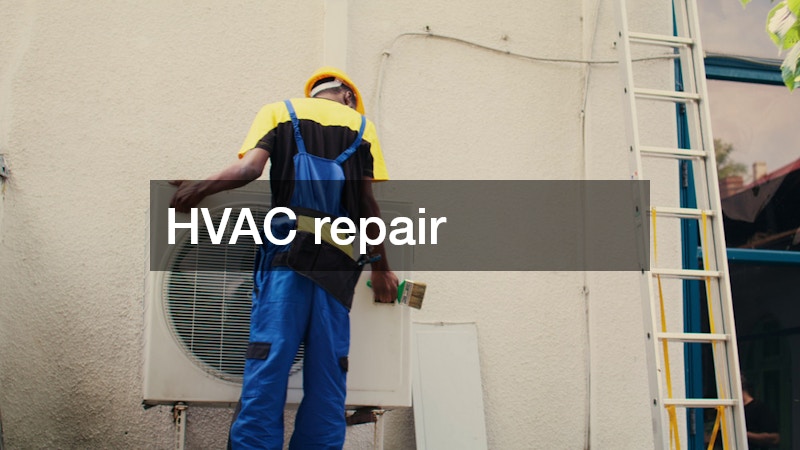
HVAC systems play a critical role in home comfort and energy efficiency. Neglected units can break down, increase utility costs, and compromise indoor air quality.
Actionable Tips:
-
Schedule routine checks: HVAC repair professionals can inspect systems for efficiency and performance issues.
-
Replace air filters regularly: Clean filters maintain airflow and improve indoor air quality.
-
Inspect ducts and vents: Ensure unobstructed airflow and check for leaks.
-
Check heaters seasonally: Include heater repairs in your maintenance schedule to prevent winter breakdowns.
-
Upgrade older systems: Consider high-efficiency models to reduce energy consumption and long-term costs.
Proactive HVAC and heating maintenance enhances comfort, reduces energy bills, and prevents costly emergency repairs.
6. Inspect and Maintain Garage Doors
Garage doors are both functional and security-critical components of your home. Wear, misalignment, or faulty mechanisms can lead to accidents or compromised safety.
Actionable Tips:
-
Lubricate moving parts: Regularly oil hinges, rollers, and springs to ensure smooth operation.
-
Test automatic sensors: Ensure safety features, including photo eyes and auto-reverse mechanisms, function correctly.
-
Check alignment and balance: Misaligned doors can strain the opener and pose safety hazards.
-
Schedule professional repairs or installations: Trusted garage door installation specialists can repair or replace worn-out components.
-
Inspect weatherstripping: Maintain seals to prevent drafts and water intrusion.
Routine maintenance of garage doors improves functionality, security, and reduces the likelihood of expensive repairs.
7. Monitor Sewer Lines and Underground Plumbing
Sewer line issues can cause significant damage and health hazards if ignored. Preventative sewer line repairs ensure smooth operation and reduce the risk of costly excavation and repairs.
Actionable Tips:
-
Schedule inspections: Regular professional inspections can identify potential issues such as tree root intrusion or pipe corrosion.
-
Address slow drains promptly: Avoid letting minor blockages escalate into sewer backups.
-
Perform preventive cleaning: Routine drain cleaning services help maintain unobstructed sewer lines.
-
Plan for replacement when necessary: Old or repeatedly failing lines should be replaced by professionals to prevent future emergencies.
-
Monitor for odors or standing water: These can indicate underlying sewer line issues that require immediate attention.
Proactive maintenance of sewer lines prevents backups, protects the home’s foundation, and avoids costly emergency repairs.
8. Maintain Water Systems and Hot Water Supply
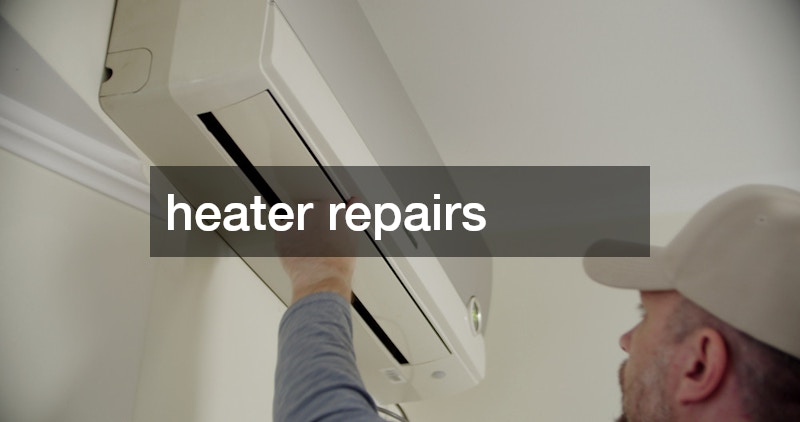
Water heaters are essential for comfort and functionality. Neglecting them can lead to inconsistent water temperature, leaks, and water damage.
Actionable Tips:
-
Schedule routine services: Include water heater services as part of your annual maintenance to extend the system’s lifespan.
-
Flush tanks periodically: Removing sediment buildup improves efficiency and prevents corrosion.
-
Monitor for leaks or unusual noises: Promptly address any irregularities to avoid system failure.
-
Check valves and pressure relief systems: Ensure safety mechanisms are functioning properly.
-
Integrate with overall plumbing upgrades: Combine with heater repairs to ensure consistent hot water throughout the home.
Regular water system maintenance ensures reliability, efficiency, and prevents water-related damage.
9. Seasonal Home Checks for Safety and Efficiency
Seasonal inspections help prevent damage caused by weather extremes, ensuring both safety and energy efficiency.
Actionable Tips:
-
Inspect roofing and gutters: Check for leaks, debris, or damage before rainy seasons. Local roofing contractors and paving contractors can help with necessary repairs.
-
Seal drafts and check insulation: Prevent heat loss in winter and maintain cooling efficiency in summer.
-
Check plumbing for freeze risk: Insulate exposed pipes before winter to prevent bursts.
-
Clean and inspect HVAC units: Ensure efficiency and identify any repairs before peak usage.
-
Prepare exterior concrete surfaces: Seal cracks and monitor for settling to prevent winter damage.
Regular seasonal checks prevent costly repairs and maintain comfort year-round.
10. Coordinate Professional Inspections and Maintenance
A comprehensive approach ensures all systems work together efficiently, reducing risk and extending the life of your home’s components.
Actionable Tips:
-
Schedule combined inspections: Include plumbing, electrical, HVAC, roofing, and concrete work in a coordinated plan.
-
Maintain a maintenance log: Track repairs, inspections, and warranties for each system.
-
Hire licensed professionals: Work with qualified electricians, local roofing contractors, and other specialists for major repairs.
-
Plan preventive upgrades: Integrate system improvements to minimize downtime and prevent emergencies.
-
Review energy efficiency and safety: Evaluate your home holistically to ensure systems complement each other for optimal performance.
Coordinated maintenance reduces stress, prevents emergency repairs, and safeguards the value of your property.
Regular home maintenance is the key to preventing costly repairs and ensuring long-term comfort, safety, and efficiency. By proactively caring for plumbing, roofing, HVAC systems, electrical components, concrete surfaces, and water systems, homeowners can avoid emergencies and extend the life of their property.
Developing a structured maintenance plan, scheduling inspections with qualified professionals, and addressing issues promptly helps maintain the functionality and value of your home. Taking small, consistent steps now saves significant time, money, and stress in the future.