How to Start a Restaurant From Scratch Equipment, Cleaning Services, Marketing, and Business Coaching Explained

Starting a restaurant from scratch is an exciting but complex process. While many aspiring restaurateurs focus primarily on food, menus, and décor, launching a successful restaurant actually requires careful planning across many different areas. From building infrastructure and sanitation systems to marketing and management support, every step plays a role in whether a restaurant thrives or struggles.
Understanding the services and partners you’ll need before opening can save time, money, and frustration later. In this guide, we’ll walk through the essential elements involved in opening a restaurant—from facility setup and maintenance to promotion, staffing support, and long-term growth strategies.
Building a Solid Foundation for Your Restaurant
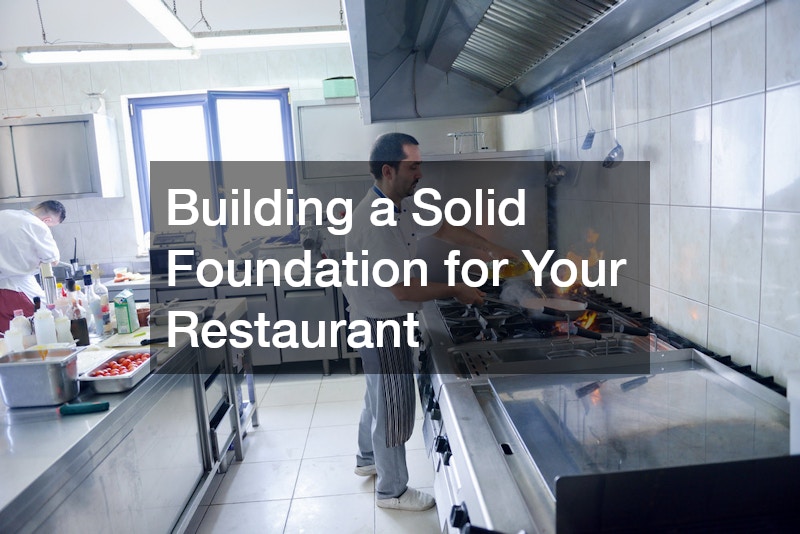
Before purchasing equipment or designing your dining area, the physical structure of the building must be prepared for restaurant operations. Restaurants place heavy demands on plumbing, ventilation, electrical systems, and structural components.
One of the most critical steps during construction or renovation is plumbing installation. Restaurants rely heavily on sinks, dishwashing stations, beverage dispensers, grease traps, and restrooms. Professional installation ensures that water systems operate efficiently and meet health department regulations. Improper plumbing can lead to leaks, sanitation violations, and costly repairs later.
Climate control is another essential component of a comfortable restaurant environment. Reliable AC installation keeps kitchens, dining rooms, and storage areas at safe temperatures. Kitchens generate enormous heat from ovens, fryers, and grills, so having a properly sized cooling system protects both staff and guests from uncomfortable working conditions.
Roof integrity is also important when preparing a restaurant building. Commercial kitchens often produce moisture, grease vapor, and heat that can affect building materials over time. Experienced roofing contractors can inspect the building and ensure that the structure is sealed properly, preventing leaks or ventilation issues that could damage equipment or create health hazards.
Finally, if you’re renovating an older building, it’s important to inspect the property for hidden issues. Restaurants must maintain strict health standards, so problems such as water damage or contaminated surfaces should be addressed immediately. Professional mold remediation may be necessary if the building has previously experienced moisture problems. Removing mold protects food safety and helps ensure compliance with local health codes.
Preparing the physical structure properly gives your restaurant a strong operational foundation and reduces the risk of expensive disruptions once you open your doors.
Choosing the Right Equipment for Daily Operations

The kitchen is the heart of any restaurant, and the equipment you choose will determine how efficiently your team can prepare food and serve customers. When planning your kitchen layout, consider both workflow and sanitation requirements.
Commercial ranges, ovens, refrigerators, and dishwashing systems are standard components of most restaurant kitchens. However, one often overlooked area of planning involves waste management. Restaurants produce large amounts of packaging, food scraps, and disposable materials each day.
Installing garbage compactors can significantly reduce waste volume and make trash disposal more efficient. These machines compress waste into manageable containers, reducing the frequency of trash pickups and helping maintain a cleaner environment around your restaurant.
A well-organized kitchen also requires proper spacing between workstations, adequate ventilation systems, and durable surfaces that can withstand constant use. Stainless steel work tables, commercial-grade shelving, and specialized prep areas allow staff to move quickly without overcrowding the workspace.
In addition to cooking equipment, consider storage solutions such as walk-in refrigerators, dry storage shelving, and ingredient prep stations. Proper organization improves productivity and helps maintain food safety standards.
Investing in high-quality equipment from the start may cost more initially, but it will save money in maintenance, repairs, and operational efficiency over the long term.
Maintaining Cleanliness and Food Safety
Cleanliness is one of the most critical factors in running a successful restaurant. Health inspections, customer trust, and food safety all depend on maintaining spotless kitchen conditions.
Daily cleaning tasks such as wiping surfaces, sanitizing cutting boards, and washing dishes are essential, but deeper cleaning must also be scheduled regularly. Many restaurant owners rely on professional kitchen equipment cleaning services to maintain equipment like ovens, fryers, grills, and exhaust hoods.
These specialized services remove grease buildup and food residue that can accumulate over time. Regular deep cleaning not only helps maintain sanitation standards but also improves equipment efficiency and reduces the risk of fire hazards in the kitchen.
Floor drains, grease traps, and ventilation systems also require regular maintenance to prevent unpleasant odors or operational problems. Developing a consistent cleaning schedule ensures that your restaurant remains compliant with health regulations and provides a safe environment for both employees and customers.
A clean restaurant doesn’t just protect your reputation—it also contributes to smoother daily operations and longer equipment lifespan.
Managing Waste and Maintaining a Safe Kitchen Environment
Restaurants generate a significant amount of waste every day, including food scraps, packaging materials, and disposable containers. Managing this waste efficiently is essential for maintaining a sanitary environment and avoiding pest problems.
In addition to using garbage compactors, restaurants should develop clear waste management procedures. Recycling programs, proper storage of trash containers, and scheduled disposal routines help keep waste areas organized.
Kitchen staff should also be trained to separate food waste, recyclables, and general trash whenever possible. Not only does this improve environmental responsibility, but it can also reduce waste disposal costs over time.
Maintaining a clean waste management system helps protect both employees and customers from potential health hazards while keeping the restaurant environment professional and organized.
Building a Strong Management Structure
Running a restaurant involves much more than cooking and serving meals. Owners must manage employees, track finances, maintain inventory, and oversee customer experience. This is where outside guidance can be extremely valuable.
Working with a professional who specializes in business coaching can help restaurant owners develop effective leadership skills and long-term strategies. A coach can provide insights into financial management, staff training, operational efficiency, and customer retention.
For new restaurant owners, guidance from experienced professionals can help avoid common mistakes such as poor staffing strategies, inefficient menu pricing, or ineffective marketing plans. Business coaching often includes goal setting, performance tracking, and leadership development to help owners build sustainable growth.
Another challenge for restaurant owners is managing payroll, benefits, and human resources responsibilities. Many businesses partner with a PEO service to handle HR administration. Professional employer organizations provide services such as payroll processing, employee benefits management, workers’ compensation assistance, and regulatory compliance support.
Using a PEO allows restaurant owners to focus more on customer experience and daily operations while ensuring that HR responsibilities are handled professionally.
Strong leadership and efficient workforce management are essential ingredients in building a successful restaurant business.
Creating a Marketing Strategy That Attracts Customers

Even the best restaurant can struggle if people don’t know it exists. A well-planned marketing strategy is essential for attracting customers and building a loyal following.
One effective approach is partnering with a professional social media agency. Social media platforms play a major role in how people discover restaurants, share dining experiences, and recommend places to friends. Agencies can help create engaging content, manage advertising campaigns, and maintain consistent communication with potential customers.
Platforms like Instagram, Facebook, and TikTok are especially valuable for restaurants because they allow businesses to showcase dishes, highlight customer experiences, and announce promotions. High-quality photos, behind-the-scenes videos, and chef features can help build excitement around your brand.
A social media agency can also track performance metrics and adjust campaigns to improve engagement and reach. This data-driven approach ensures that marketing budgets are used effectively.
Strengthening Your Connection With the Community
Restaurants that engage with their local communities often build stronger customer loyalty and long-term brand recognition. Participating in charity events is one way to demonstrate community involvement while introducing your restaurant to new customers.
Many restaurants host fundraising dinners, donate a portion of sales to local nonprofits, or partner with schools and community groups for special events. These initiatives help create positive relationships with residents and show that your business values community support.
Community engagement can also lead to valuable media coverage and word-of-mouth recommendations. Customers are more likely to support businesses that actively contribute to local causes and events.
Designing an Efficient Kitchen Workflow
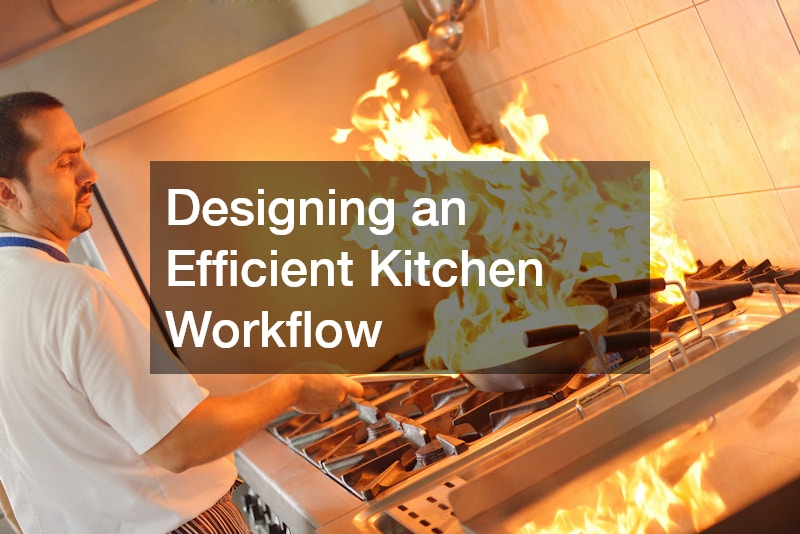
Once your building, equipment, and staff are in place, the next challenge is creating a kitchen workflow that allows your team to operate smoothly during busy service hours.
Efficiency begins with proper station organization. Prep stations should be located near ingredient storage areas, while cooking stations should be positioned to minimize movement between tasks. Dishwashing areas should be separate from food preparation zones to maintain sanitation standards.
Staff training also plays a key role in kitchen efficiency. Employees should understand their responsibilities clearly and be trained to communicate effectively during service. Clear procedures for food preparation, plating, and order management reduce confusion and keep the kitchen running smoothly.
Technology can also improve efficiency. Point-of-sale systems that integrate with kitchen display screens help streamline communication between servers and kitchen staff. Digital ordering systems reduce mistakes and allow staff to focus on delivering high-quality service.
Maintaining organization and clear processes ensures that your restaurant can handle high customer demand without sacrificing food quality or service speed.
Managing Costs and Financial Planning
Starting a restaurant requires a significant financial investment, and managing expenses carefully is essential for long-term success. Initial costs typically include construction, equipment purchases, licensing, marketing, and staffing.
One of the most important financial decisions involves budgeting for maintenance and operational services. Systems like HVAC, plumbing, and waste management require ongoing upkeep to prevent unexpected failures.
Owners should also plan for marketing expenses, staffing costs, and inventory management. Regularly reviewing financial performance allows restaurant owners to identify opportunities for improvement and adjust strategies when necessary.
Working with financial advisors or industry consultants can help ensure that budgets remain sustainable as the restaurant grows.
Planning for Long-Term Maintenance and Upgrades
Many new restaurant owners focus heavily on opening day, but long-term success depends on maintaining the building, equipment, and operational systems that keep the business running smoothly. A restaurant is a high-demand environment where equipment runs for long hours, kitchens generate heat and moisture, and customer traffic can put constant strain on the facility.
Routine inspections and preventative maintenance help identify issues before they become costly repairs. Systems such as refrigeration, cooking equipment, ventilation, and climate control should be checked regularly to ensure they continue operating efficiently. Preventative maintenance schedules also help avoid unexpected downtime that could disrupt service.
Building maintenance is equally important. Over time, commercial kitchens can experience wear and tear from grease buildup, humidity, and constant temperature changes. Regular inspections of ventilation systems, roofing structures, and plumbing lines help ensure that the building remains safe and compliant with local regulations.
Technology upgrades may also become necessary as your restaurant grows. Modern point-of-sale systems, digital ordering platforms, and automated inventory tracking tools can streamline operations and improve accuracy. These technologies help restaurant owners monitor sales trends, reduce waste, and improve the overall customer experience.
Owners should also periodically evaluate their menu, marketing strategies, and operational workflows. Restaurants that remain adaptable to customer preferences and industry trends are more likely to maintain steady growth over time.
By planning for maintenance, upgrades, and operational improvements, restaurant owners can protect their investment and ensure their business continues running efficiently for years to come. Long-term success in the restaurant industry often depends not just on a great opening, but on consistent attention to detail and continuous improvement as the business evolves.
Turning Your Vision Into a Successful Restaurant
Starting a restaurant from scratch requires dedication, planning, and the right support network. From preparing the building and installing essential systems to maintaining cleanliness, managing staff, and promoting your brand, each step plays a crucial role in your restaurant’s success.
By partnering with experienced professionals—whether for construction, operational support, marketing, or management—you can build a restaurant that operates efficiently and attracts loyal customers.
With careful planning, the right partnerships, and a strong focus on quality, your dream of opening a restaurant can become a thriving business that serves great food and creates memorable experiences for your community. Staying adaptable, listening to customer feedback, and continually refining your operations will help ensure your restaurant grows stronger over time and remains competitive in an ever-changing industry.