
The lifeblood of any successful property management firm or real estate investment portfolio is not just the properties themselves, but the people who keep those properties running. Scrambling to find a professional during a midnight emergency is one of the most stressful and financially draining experiences a property owner can face. When water is pouring through a ceiling or a heating system fails on the coldest night of the year, you lose all negotiating power. You are forced to pay premium emergency rates, accept whatever timeline is offered, and cross your fingers that the quality of work is up to your standards. This reactive approach to property maintenance costs owners thousands of dollars annually in lost time, degraded tenant goodwill, and inflated invoices.
The solution to this chaos is building a “bench”—a comprehensive, highly vetted roster of reliable tradespeople that you assemble long before you actually need them. By proactively sourcing, interviewing, and onboarding vendors during quiet periods, you take control of your maintenance operations. You establish baseline pricing, ensure everyone has the proper insurance and licensing, and create a streamlined communication protocol that can be activated the moment an issue arises.
This comprehensive guide will walk you through the precise steps necessary to build this ultimate roster. We will explore how to assess your property’s vulnerabilities, prioritize trades that handle life-safety issues, streamline your cosmetic turnover process, and manage large-scale capital expenditures. By the end of this guide, you will have a clear blueprint for transforming your maintenance strategy from a chaotic scramble into a well-oiled machine.
Conduct a Biannual Exterior Envelope Audit
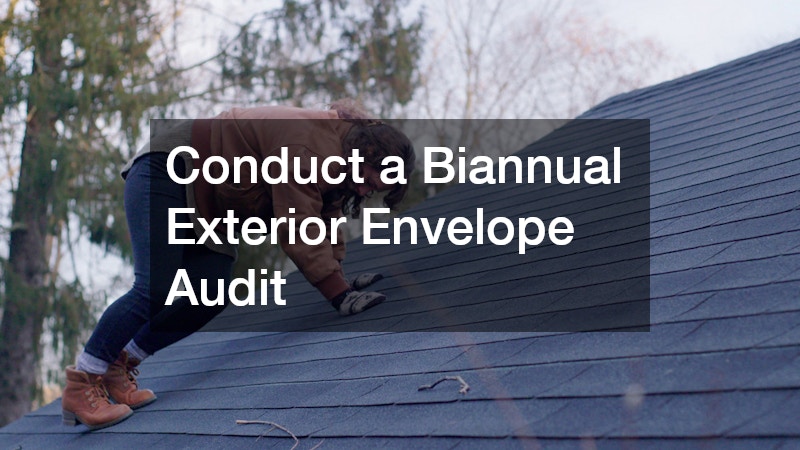
The exterior shell of your building is the first and most critical line of defense against the elements. If this envelope fails, every interior system is put at risk. A systematic, biannual inspection of your property’s exterior is non-negotiable for long-term asset preservation. Conducting these audits in the spring and fall allows you to identify structural weaknesses, potential water intrusion points, and energy inefficiencies before severe weather hits.
The absolute top priority in any envelope audit is the roofing system. Water is the most destructive force a building can encounter, and a compromised roof can lead to devastating structural rot and mold remediation costs. You should never wait for a tenant to report a leak before assessing your roof’s condition. Instead, establish a proactive relationship with local roofer services to perform seasonal inspections. These professionals can clear debris from flat roof scuppers, check for loose or missing shingles on pitched roofs, and inspect the flashing around chimneys and vents. Having this relationship in place means that after a major hailstorm or wind event, your property is already on their priority routing list for damage assessment, rather than at the back of the line behind hundreds of frantic callers.
Moving down the exterior of the building, the perimeter walls must be thoroughly inspected for cracks, impact damage, or failing seals. Whether your property features brick, stucco, vinyl, or fiber cement, the cladding is responsible for keeping the interior dry and insulated. Minor wind damage or small impact fractures from landscaping equipment might seem inconsequential, but they allow moisture to penetrate the building wrap over time. By partnering with a dedicated siding contractor, you can quickly address these minor repairs before they escalate into major structural rot. This expert can also advise you on the expected lifespan of your current exterior materials and help you budget for a full replacement years in advance, ensuring you are never caught off guard by a massive capital expenditure.
Here is a checklist for your biannual envelope audit:
-
Inspect all gutters and downspouts for secure attachment and clear flow.
-
Check the caulking and weatherstripping around all exterior doors and windows.
-
Look for signs of peeling paint or rotting wood on the fascia and soffits.
-
Ensure all exterior vents are clear of obstructions and animal nests.
-
Review the foundation perimeter for settling cracks or soil pulling away from the structure.
Establish Emergency Protocols for Mechanical Failures
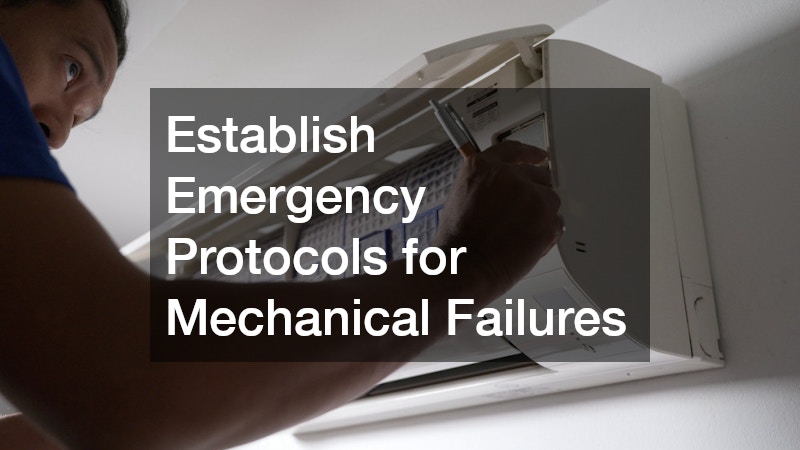
Mechanical failures are the primary driver of tenant complaints, lease breaks, and habitability lawsuits. When the core systems of a building fail, the property effectively becomes unusable. You cannot afford to wait days for a repair when a tenant is without heat, cooling, or power. Establishing airtight emergency protocols and securing guaranteed response times from your mechanical vendors is a critical component of risk management.
Climate control issues require immediate attention, particularly in extreme weather conditions where tenant safety is at risk. Preventative maintenance is the key to avoiding these emergencies. You should negotiate a comprehensive, year-round service agreement with a licensed HVAC contractor to maintain your boilers, furnaces, and air conditioning condenser units. A standard agreement should include quarterly filter changes, bi-annual coil cleanings, and systemic pressure checks. When you have a preventative maintenance contract in place, you are typically granted priority emergency dispatch and discounted hourly rates for after-hours calls. This proactive approach not only extends the lifespan of incredibly expensive mechanical equipment but also drastically reduces the frequency of midnight emergency calls.
Equally important to climate control is the safety and reliability of your property’s electrical grid. Outdated breaker panels, overloaded circuits, and faulty wiring pose severe fire risks and liability concerns. Attempting to troubleshoot electrical issues with an unverified handyman is a recipe for disaster. You must carefully vet and onboard a master electrical contractor who is fully licensed, bonded, and insured to handle everything from emergency power losses to troubleshooting complex commercial wiring grids. This professional should be familiar with the specific electrical loads of your properties and understand the local municipal codes required to pull permits for panel upgrades.
Key steps for managing mechanical emergencies:
-
Place physical tags on all mechanical equipment listing the primary vendor’s emergency contact number and your account ID.
-
Require your mechanical vendors to provide a guaranteed response time (e.g., under four hours) for complete system failures.
-
Maintain a digital log of all serial numbers, installation dates, and warranty information for every major appliance and mechanical unit in your portfolio.
-
Authorize your preferred vendors to proceed with minor repairs up to a specific dollar amount without requiring prior approval, eliminating bottlenecks in restoring service.
Mitigate Liability by Standardizing Grounds Maintenance
The exterior grounds of your property dictate the first impression for prospective tenants, customers, and investors. However, beyond mere aesthetics, the grounds represent one of the highest areas of liability for a property owner. Slip-and-fall accidents, vehicular damage, and security breaches are constant threats that must be managed through rigorous, standardized exterior maintenance.
Surface-level safety is paramount, particularly in high-traffic areas like parking lots, sidewalks, and loading docks. Harsh weather, heavy vehicles, and natural soil settling will eventually cause asphalt and concrete to crack, heave, and form potholes. These are severe trip hazards that invite costly personal injury lawsuits. To manage this risk, it is essential to partner with an experienced paving contractor who can establish a long-term maintenance schedule for your hardscaping. This schedule should include regular crack filling to prevent water from undermining the sub-base, seal coating every few years to protect against UV degradation and chemical spills, and patching potholes immediately upon discovery. Regular maintenance extends the life of your asphalt by decades and clearly demonstrates to insurance adjusters that you are proactively managing site safety.
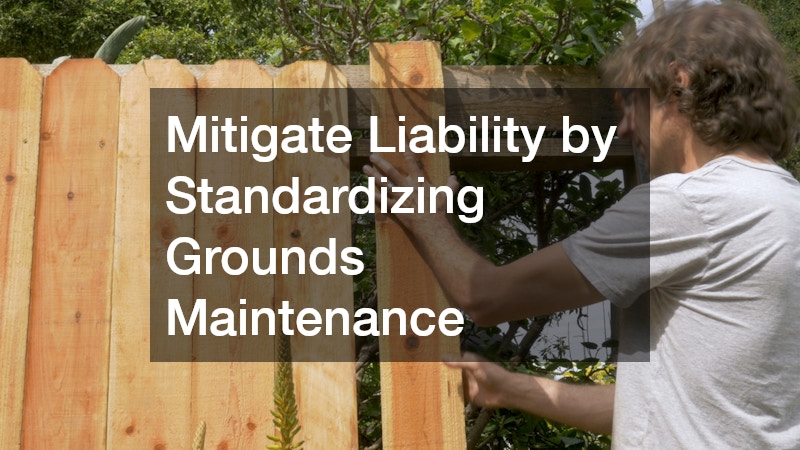
Beyond the ground itself, boundary control and perimeter security are vital for protecting your assets and your tenants. An unmaintained perimeter invites trespassing, illegal dumping, and vandalism. Securing your property lines requires more than just planting a few bushes; it requires robust, physical barriers. You should have an ongoing relationship with a reliable fence contractor to repair breaches in chain-link boundaries, fix storm-damaged wooden privacy panels, or install and maintain automated access gates for tenant security. When a perimeter is breached, whether by a fallen tree or a vehicle collision, it must be secured immediately. Having a trusted professional on your roster ensures that your property is never left exposed for days while you hunt for someone to do the repair.
Best practices for grounds maintenance:
-
Conduct monthly walks of the property to identify trip hazards, burned-out exterior lights, and overgrown landscaping blocking sightlines.
-
Maintain a detailed snow and ice removal contract that specifies trigger depths and guaranteed clearing times.
-
Ensure all handicap accessible ramps and parking spaces are clearly marked, properly graded, and fully compliant with ADA regulations.
-
Install high-visibility signage detailing property rules, towing enforcement, and emergency contact information.
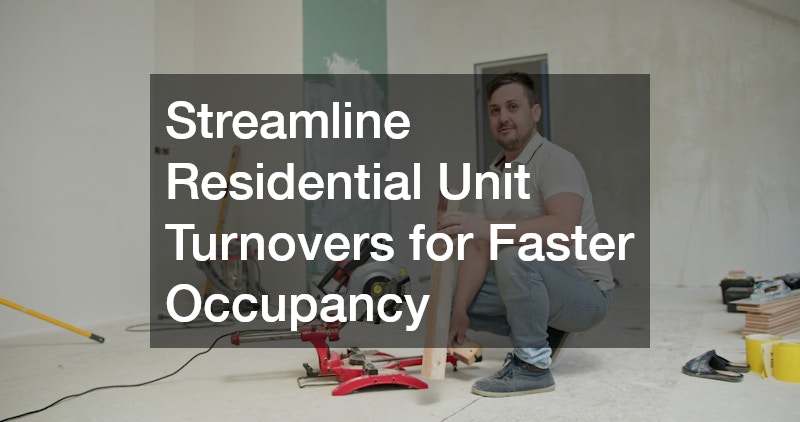
Streamline Residential Unit Turnovers for Faster Occupancy
In residential property management, vacancy is the enemy of profitability. The math of vacancy is brutal: every single day a unit sits empty, it drains the portfolio’s return on investment. The period between one tenant moving out and the next moving in—the turnover—must be executed with military precision. Speed, standardization, and a highly coordinated roster of interior trades are critical to minimizing downtime and maximizing revenue.
The spaces that truly sell a residential unit are the wet rooms: the kitchens and baths. Prospective tenants will look past a small bedroom, but they will not compromise on a dated, grimy bathroom. However, gutting these rooms during every turnover is financially impossible and incredibly time-consuming. Instead, you need a strategy for high-impact, rapid updates. Keep a team of reliable bathroom remodeling contractors on your roster who understand the difference between a luxury custom build and a fast, durable rental turnover. These professionals should be able to quickly swap out water-damaged vanities, expertly re-caulk tubs, replace dated hardware, and install low-flow toilets without causing a month-long delay. By standardizing the materials you use across your portfolio—such as using the exact same vanity model and faucet brand in every unit—you allow your tradespeople to work faster and keep spare parts readily available.
Once the wet rooms are addressed, the most cost-effective way to transform a unit is through fresh paint. Paint is the ultimate reset button for a rental property, neutralizing odors and covering the wear and tear of previous occupants. However, painting a whole unit yourself or relying on slow labor will crush your turnover timeline. You need a fast, highly efficient painting contractor who specializes in high-volume rental turns. This vendor should be capable of patching drywall holes, masking off fixtures, and spraying an entire unit in a single day. Again, standardization is your best friend here. Choose one specific wall color and one trim color for your entire portfolio. This eliminates the need for your painters to color-match existing walls and allows them to buy paint in bulk, passing the savings and speed on to you.
Strategies for streamlining turnovers:
-
Perform a pre-move-out inspection two weeks before the tenant vacates to identify major damages and pre-order necessary materials.
-
Create a standardized “turn kit” for every property that includes the exact paint codes, blind sizes, filter sizes, and lightbulb types needed.
-
Schedule your trades in a strict, overlapping sequence: painters first, then flooring, then cleaning, ensuring no one is stepping on each other’s toes.
-
Implement a rigorous final quality control walk-through checklist before handing the keys to the leasing agent.

Strategize Large-Scale Expansions and Commercial Build-Outs
As your real estate portfolio grows, you will inevitably transition from simple maintenance and residential turnovers into large-scale capital improvements, property expansions, or commercial acquisitions. Managing a multi-unit renovation or adapting a commercial space for a new retail tenant requires an entirely different level of expertise and coordination. You cannot manage these projects using a piecemeal list of residential handymen; you need heavy-hitting professionals capable of navigating complex blueprints, strict zoning laws, and aggressive commercial timelines.
When leasing commercial spaces, the requirements are vastly different from residential units. A new restaurant, a boutique fitness studio, or a corporate law firm all require completely different interior layouts and specialized utilities. When you acquire a mixed-use building or sign a new commercial lease, you will often need to “vanilla shell” the space—stripping it down to its structural core—and then rebuild it to the tenant’s specifications. For this, you must partner with an experienced office upfit contractor. This specific type of professional specializes in transforming empty commercial footprints. They excel at building out custom floor plans, installing specialized drop ceilings, running commercial-grade networking cables, and configuring high-end architectural lighting. Their expertise ensures the space is tailored perfectly to the incoming business tenant while adhering to commercial fire and safety codes.
Overseeing these massive overhauls requires a dedicated conductor to lead the orchestra of subcontractors. Property owners often make the expensive mistake of trying to act as the project manager for a million-dollar renovation to save money. This almost always results in blown budgets, permit delays, and scheduling disasters. For any major expansion or structural renovation, you must hire a reputable commercial general contractor. This entity takes on the legal and logistical burden of the entire project. They are responsible for pulling master permits with the city, scheduling city inspections, coordinating the daily workflows of dozens of specialized trades, and keeping the project strictly on schedule. While they charge a management fee, their ability to drive a large project to completion weeks or months faster than an amateur will save you exponentially more in construction loan interest and lost rent.
Key considerations for large-scale projects:
-
Always require detailed, line-item bids from at least three different firms before awarding a major contract.
-
Establish clear penalty clauses in your contracts for missing critical completion deadlines.
-
Hold back a retainage fee (typically 10%) from every invoice, only to be released after the final municipal inspection is passed and a certificate of occupancy is issued.
-
Require weekly on-site progress meetings with the project manager to review budget actuals versus projections.
Implement a Rigorous Vetting and Onboarding System
Building a roster is not just about finding people who do good work; it is about finding professionals who operate as legitimate, liability-shielded businesses. The greatest risk a property owner faces is allowing an uninsured, unlicensed worker onto their property. If that worker is injured, or if they cause a catastrophic fire or flood, the financial liability falls squarely on the property owner. Implementing a rigorous, standardized vetting and onboarding process is the only way to protect your assets.
The first step in vetting is verifying credentials. You must request a Certificate of Insurance (COI) directly from the vendor’s insurance broker, not from the vendor themselves. The COI must show adequate general liability coverage, and ideally, your property management company or ownership entity should be listed as an “Additional Insured.” You must also verify their workers’ compensation coverage; if they claim to be a sole proprietor exempt from workers’ comp, you need them to sign a legal waiver acknowledging this status. Next, verify their state and local licensing through your state’s contractor board website to ensure there are no pending disciplinary actions or suspended licenses.
Once the legal and insurance hurdles are cleared, you must establish clear operational and financial parameters. Before a vendor ever steps foot on your property, they should sign a Master Service Agreement (MSA). This document outlines your expectations for behavior on site, communication protocols, and dispute resolution. It should clearly state that vendors are not allowed to smoke on the premises, play loud music, or interact inappropriately with tenants.
Financially, you must set clear payment terms to protect your cash flow and your property title. Clearly communicate your billing cycle, whether it is Net-15 or Net-30, so vendors know exactly when to expect payment. Require all vendors to submit a W-9 form before their first invoice is paid, which will save your accounting department massive headaches during tax season. Finally, for any project over a certain dollar threshold, require the vendor to sign a lien waiver upon receiving final payment. A lien waiver is a legal document where the vendor waives their right to place a mechanic’s lien on your property, proving that they, and their material suppliers, have been paid in full.
Components of a complete vendor onboarding packet:
-
A welcome letter outlining your company’s core values and operational expectations.
-
A blank W-9 form for tax reporting purposes.
-
A request for a Certificate of Insurance, detailing the minimum coverage limits required.
-
A copy of the Master Service Agreement for their signature.
-
Detailed instructions on how to submit invoices, including required job numbers, before-and-after photos, and itemized labor/material breakdowns.
Conclusion
Transforming your property maintenance strategy from a reactive, chaotic scramble into a proactive, highly organized system is one of the most impactful operational shifts you can make. The foundation of this transformation is the roster of professionals you build around you. A property manager or investor is only as successful, efficient, and profitable as the team they rely on to execute the day-to-day operations and handle the midnight emergencies.
By taking the time to conduct regular exterior audits, establish strict mechanical emergency protocols, standardize your groundskeeping, streamline your residential turnovers, and strategically manage your large-scale commercial expansions, you insulate your portfolio against unexpected disasters. More importantly, by implementing a rigorous vetting and onboarding process, you protect your assets from catastrophic liability and ensure that every dollar spent on maintenance is an investment in the longevity of your property.
Do not wait for the next pipe to burst or the next roof to leak before you start looking for help. The best time to interview a professional is when you do not need one. Start by auditing your current list of vendors today. Identify the gaps in your coverage, reach out to local experts to begin the vetting process, and take the first step toward building a resilient, profitable, and stress-free property management operation.