
In recent years, the concept of “home” has undergone a radical transformation. No longer just a place to sleep and store our belongings, the home has evolved into a multi-functional hub for work, entertainment, wellness, and retreat. We are collectively seeking a deeper sense of peace and privacy, looking to create spaces that recharge us mentally and physically. This shift has given rise to the concept of the “holistic sanctuary”—a living environment where the transition between the manicured outdoors and the luxurious indoors is seamless, functional, and deeply relaxing.
Creating a true sanctuary requires looking at your property as a single, cohesive ecosystem. It isn’t enough to have a comfortable living room if the view out the window is a neglected yard, nor is it enjoyable to have a beautiful patio if the journey to get there involves navigating a cracked driveway or a dark, cluttered garage. A well-designed home harmonizes these elements, ensuring that every square foot of your property serves a purpose, whether it is for social gathering or solitary reflection.
The journey to the perfect oasis begins with the structural “shell” and moves inward. It involves securing the envelope of the house to ensure safety and efficiency, laying a durable foundation for outdoor living, sculpting the landscape for privacy, and finally, refining the interior climate and heart of the home. While the scope of such a transformation can feel overwhelming, breaking it down into manageable phases allows you to prioritize high-impact upgrades that offer immediate lifestyle benefits and long-term value.
This guide will walk you through the essential steps to elevate your property, providing actionable advice to turn your vision of a private retreat into a tangible reality.
Prioritizing Structural Integrity and Curb Appeal
Before you can focus on luxury and aesthetics, you must first ensure that the protective envelope of your home is secure. The exterior of your house is the first line of defense against the elements, and its condition dictates the longevity of every interior renovation you undertake. Furthermore, the exterior sets the tone for the sanctuary; it creates the first impression that welcomes you home every day.
Securing the “Lid” of Your Sanctuary
The roof is often the most overlooked component of a home until a leak appears. However, a compromised roof can silently undermine your efforts to create a comfortable home by allowing moisture to seep into insulation, causing mold growth and energy loss. To maintain a true sanctuary, your roof must be more than just watertight; it needs to be an efficient thermal barrier.
Regular inspections are critical, particularly after severe weather seasons. You should look for subtle signs of wear that aren’t immediately obvious from the ground, such as granular loss on asphalt shingles, which exposes the matting to UV rays, or flashing that has pulled away from chimneys and vents. While some homeowners attempt to assess this themselves, the complexity of modern roof systems—including ridge vents and valley flashing—often requires a trained eye. Partnering with a professional in residential roofing ensures that minor vulnerabilities are caught before they become catastrophic failures. They can also advise on modern materials, such as architectural shingles or metal roofing, which can significantly improve your home’s energy efficiency and curb appeal.
Checklist for Roof Health:
- Granule Loss: Check gutters for an accumulation of granules, a sign that shingles are nearing the end of their life.
- Curling or Buckling: Shingles that are curling at the edges or buckling in the middle are susceptible to wind damage.
- Attic Ventilation: Ensure your attic breathes properly; poor ventilation can cook shingles from the inside out and increase cooling costs.
- Flashing Integrity: Rust or gaps around skylights and chimneys are common entry points for water.
Modernizing the Largest Entry Point
The garage door is frequently the largest single moving component of a home and can account for up to 40% of the front facade. Despite its size, it is often treated as an afterthought. An old, uninsulated, or dented garage door creates a massive thermal bridge, allowing heat to escape in the winter and enter in the summer. This not only affects the temperature of the garage but can also impact rooms adjacent to or above it.
Upgrading this feature is one of the highest ROI projects you can undertake. Modern doors offer high-performance insulation (look for a high R-value) and quiet operation mechanisms that eliminate the jarring rattle of older tracks. Beyond functionality, the aesthetic impact is immediate. You can choose from carriage-house styles, contemporary glass and aluminum, or faux wood composites that offer the warmth of timber without the maintenance. Consulting a reputable garage door company can help you navigate these options to find a style that complements your home’s architecture while integrating smart technology, allowing you to monitor and control access from your smartphone—adding a layer of security to your peace of mind.

Creating Defined Zones with Permanent Flooring
Once the shell is secure, the focus shifts to the ground beneath your feet. A backyard oasis requires a transition from the wildness of nature to the order of living space. Trying to place luxury furniture on uneven grass or dirt is a recipe for frustration. To create a functional outdoor room, you need hard, level surfaces that define zones for dining, lounging, and entertaining.
The Foundation of Outdoor Living
Concrete acts as the canvas for your outdoor design. It is versatile, durable, and, when finished correctly, incredibly stylish. Gone are the days when concrete meant a boring grey slab. Modern techniques allow for a variety of finishes that can mimic natural stone, brick, or even wood planking at a fraction of the cost of the real materials.
When planning your backyard patio, think about “zoning.” You might want a smooth, stamped texture for the dining area to ensure chairs slide easily, and an exposed aggregate finish for high-traffic wet areas near a pool to provide slip resistance. Skilled concrete contractors can manipulate the shape and color of the pour to integrate seamlessly with your garden design, creating curved edges that soften the look or geometric lines for a modern aesthetic.
Design Considerations for Patios:
- Drainage: Ensure the patio is graded away from the house foundation to prevent water pooling.
- Control Joints: properly placed joints control cracking as the earth shifts, preserving the look of the finish.
- Sealing: A quality sealer protects the concrete from oil spills (from the BBQ) and UV fading, keeping the colors vibrant for years.
- Integration: Consider leaving cutouts in the concrete for garden beds or tree wells to merge the hardscape with nature.
The Approach: Driveways and Walkways
The experience of your sanctuary begins the moment your tires leave the public road. A driveway is more than a place to park; it is the foyer of your exterior. Cracked asphalt, weed-infested joints, or uneven pavers create a sense of neglect that disrupts the mental transition into relaxation.
Revitalizing these pathways can dramatically alter the feel of your property. For driveways, you have two primary choices: flexible pavement (asphalt) or rigid pavers. Asphalt is cost-effective and creates a clean, continuous look that is easy to clear of snow and debris. Interlocking pavers offer a more decorative approach and are incredibly durable because they can shift with the ground without cracking. If you choose asphalt, regular sealcoating is essential to maintain that deep black, fresh finish. If your current driveway is crumbling, professional paving services can excavate the old material, re-compact the base (the most critical part of the longevity), and lay a fresh surface that transforms the curb appeal of the entire property.
Balancing Nature with Functional Architecture
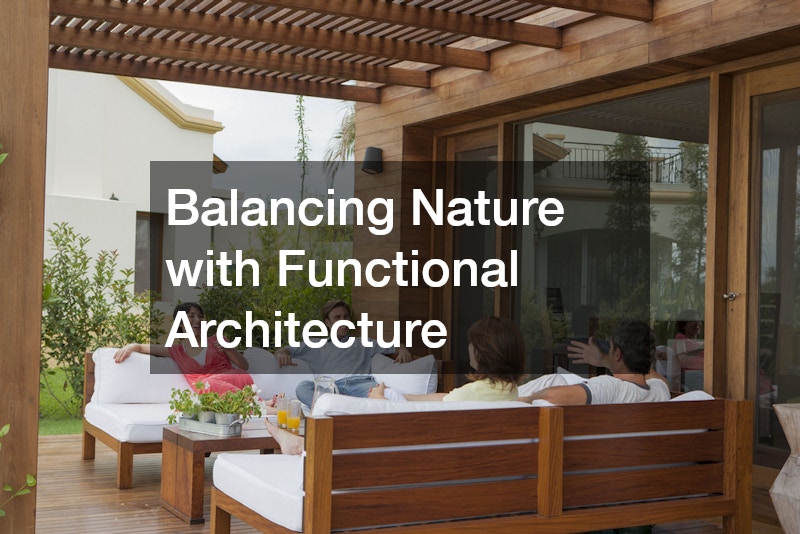
A flat backyard with a patio is a good start, but to create a true oasis, you need verticality, structure, and control over the elements. This stage of design is about sculpting the environment to suit your needs, creating privacy from neighbors, and ensuring that the space is usable even when the sun is blazing or the wind is blowing.
Adding Structure and Depth
Hardscaping is the “bones” of the garden. It includes the retaining walls that manage slopes, the built-in seating that defines conversation pits, and the fire features that extend the usability of your yard into the colder months. Without these vertical elements, a backyard can feel two-dimensional and exposed.
Using natural stone, brick, or architectural blocks to build raised garden beds can add layers of height to your landscape, bringing plants up to eye level and making maintenance easier. A stone fire pit or an outdoor fireplace serves as a natural focal point; humans are instinctively drawn to fire, and it anchors a gathering space unlike anything else. When designing these permanent structures, it is vital to consider the flow of traffic and visual lines from inside the house. Expert hardscaping services can help you design these elements so they feel like a natural extension of the home’s architecture, rather than distinct, unconnected additions dropped into the middle of the lawn.
Popular Hardscaping Features:
- Seat Walls: Low walls around a patio perimeter that double as extra seating for large parties.
- Retaining Walls: essential for leveling sloped yards to create usable flat space.
- Water Features: Pondless waterfalls or fountains built into stone walls add soothing white noise that masks neighborhood sounds.
- Outdoor Kitchen Structures: Built-in islands for grills and prep space, clad in stone to match the patio.
Managing Light and Temperature
The most beautiful patio in the world will sit unused if it is sweltering hot. Shade is a non-negotiable component of a comfortable outdoor sanctuary. While planting trees is a great long-term strategy, they take years to mature and don’t offer flexibility. You need a solution that provides shelter when you want it and open sky when you don’t.
Retractable shade solutions have revolutionized outdoor living. Unlike permanent roof structures, which can darken the interior of your home by blocking natural light from windows, retractable awnings allow you to manage the sunlight. You can extend the cover during the peak heat of the day to protect your skin and your outdoor furniture from UV damage, then retract it in the evening to enjoy the stars. Modern systems are motorized and can even be equipped with wind sensors that automatically retract the fabric if a storm approaches. Consulting with awning services allows you to customize the fabric color and projection length, ensuring you get maximum coverage that complements your home’s exterior palette.
Adding Hydrotherapy and Ambiance
Now that the structural and functional foundation is laid, it is time to layer in the elements of luxury that truly define a “sanctuary.” This involves engaging the senses—the feeling of warm water and the visual comfort of perfect lighting. These features turn a backyard into a private resort.
The Centerpiece of Relaxation
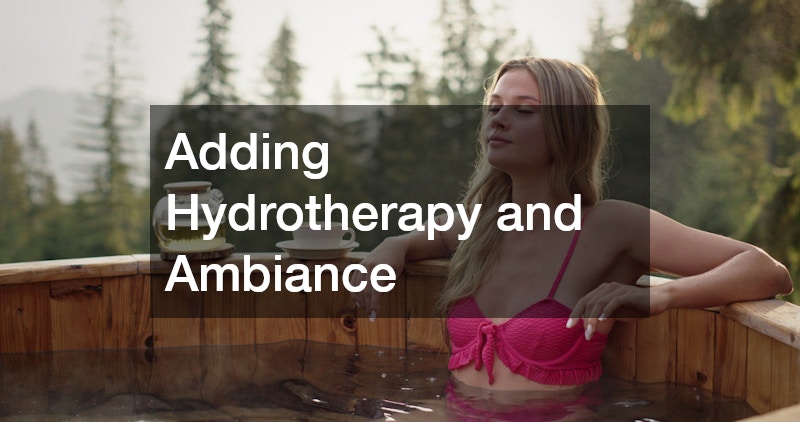
Water has a unique ability to soothe the nervous system. Integrating a hot tub or spa into your backyard design provides a dedicated space for decompression. This isn’t just about fun; it’s about hydrotherapy—using heat and buoyancy to relieve muscle tension, improve circulation, and promote better sleep.
When selecting a spa, consider how you intend to use it. Are you looking for a social tub with open seating for six people, or a therapeutic lounge designed for two? Modern spas come with a vast array of jet configurations, from high-pressure deep tissue massage to gentle bubbling effervescence. Placement is also critical; you want the tub to be accessible from the house so you will use it in winter, but positioned to offer privacy. Visiting local hot tub dealers is the best way to understand the options available. Many showrooms allow for “wet tests,” where you can actually get in the water to see if the seat ergonomics fit your body type—a crucial step before making such a significant investment.
Considerations for Spa Placement:
- Privacy Lines: Ensure the tub is shielded from neighbors’ windows using landscaping or privacy screens.
- Wind Protection: Heavy wind can cool the water and make soaking less pleasant; place the tub near a wall or windbreak.
- View: Orient the seating so you are looking at your beautiful garden, not the back of the garage.
- Access: A short, lit path from the back door encourages year-round use.
Powering Your Oasis Safely
As you add amenities like hot tubs, outdoor kitchens, and extensive landscape lighting, you significantly increase the electrical demand on your home. A standard exterior outlet is rarely sufficient for these upgrades. A hot tub, for instance, typically requires a dedicated 220-volt circuit to operate the heater and pumps efficiently.
Safety is paramount here. Water and electricity are a dangerous combination, and outdoor wiring is subjected to harsh weather conditions. This is not the place for DIY solutions. You may need a sub-panel installed near the equipment pad, or an upgrade to your main service panel if it is already near capacity. Proper grounding and the installation of GFCI (Ground Fault Circuit Interrupter) breakers are code requirements that protect your family from shock hazards. Hiring a licensed professional for electrical repair and installation ensures that your new luxury features are powered safely and reliably. They can also design low-voltage landscape lighting schemes that illuminate pathways and highlight your hardscaping, creating a magical ambiance after the sun goes down.
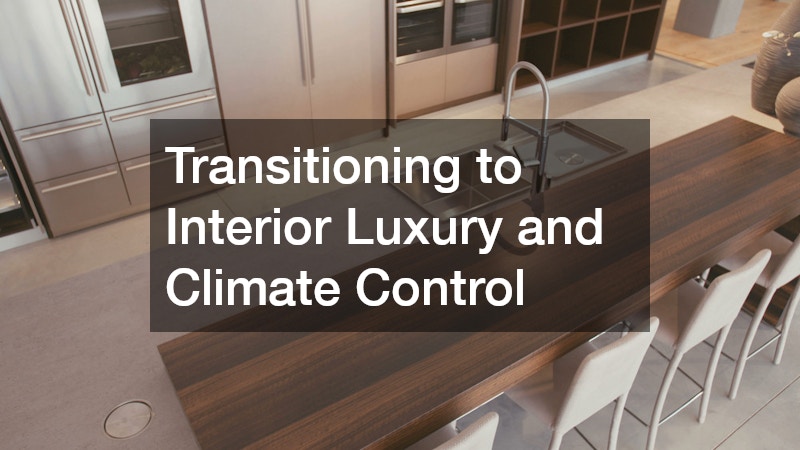
Transitioning to Interior Luxury and Climate Control
The concept of the sanctuary must flow indoors. The transition from your outdoor oasis to your indoor living space should be frictionless. This usually happens in the kitchen or the living area connected to the backyard. Furthermore, a sanctuary must feel as good as it looks, which brings us to the invisible but vital aspect of climate control.
The Heart of the Home
The kitchen is the operational hub of the house. In a sanctuary-style home, the kitchen often acts as the staging ground for outdoor entertaining. If your current layout is closed off, dark, or cluttered, it disrupts the flow of the entire home. The goal is to create a space that facilitates connection—where you can prep food while chatting with guests on the patio, or easily move platters from the counter to the outdoor grill.
optimizing this space often requires rethinking the “work triangle” and storage solutions. Can you replace a small window with French doors or a sliding glass wall to physically open the room to the outdoors? Can you reconfigure the island to offer seating that faces the garden? A professional kitchen designer can help you visualize these structural changes. They understand how to maximize ergonomics and can suggest materials that are durable enough to handle the indoor-outdoor traffic, such as quartz countertops and engineered flooring. Their expertise helps you avoid costly layout mistakes and ensures that the interior aesthetic harmonizes with your new outdoor design.
Key Kitchen Upgrades for Flow:
- Pass-Through Windows: A window that opens to an outdoor bar counter makes serving drinks and food incredibly easy.
- Durable Flooring: Choose materials that can handle a bit of dirt or moisture tracked in from the garden.
- Lighting Layers: Incorporate task lighting for cooking and dimmable ambient lighting for evening entertaining.
- Visual Connection: Keep sightlines open so the green of the garden is visible from the prep area.
Invisible Comfort and Air Quality
Finally, true luxury is about comfort that you don’t have to think about. You should walk into your home and feel an immediate sense of relief from the heat or cold outside. If your HVAC system is struggling to keep up or if you have hot and cold spots in different rooms, that sense of sanctuary is broken.
Renovating your home and adding square footage or opening up walls can change the airflow dynamics of the house. A system that was adequate ten years ago may now be undersized or inefficient. Furthermore, as we spend more time indoors, air quality becomes paramount. Pollen, dust, and humidity must be managed to keep the environment healthy. Engaging a reputable AC company to perform a load calculation on your home can determine if your current unit is up to the task. They can recommend high-efficiency systems that run quieter and maintain a more consistent temperature. Additionally, integrating whole-home air purification and humidity control ensures that the air you breathe is as clean and refreshing as the air in your garden.
Conclusion
Creating the perfect backyard oasis and indoor sanctuary is a journey of integrating the functional with the beautiful. It is about seeing your home not as a collection of separate rooms and a yard, but as a holistic environment that supports your lifestyle. By securing the exterior envelope, laying a solid foundation with quality hardscaping, sculpting the landscape for privacy, and ensuring the interior is a haven of comfort and flow, you build a space that truly serves you.
It is important to remember that you do not need to execute every one of these steps simultaneously. A master plan allows you to pace yourself, perhaps tackling the patio and driveway this season, and the kitchen and HVAC upgrades the next. The most important step is the first one: looking at your home with fresh eyes and identifying the areas that are currently causing friction in your daily life.
Whether it is fixing that leaky roof to protect your investment, pouring a new patio to encourage family dinners outside, or finally installing that hot tub for evening relaxation, every improvement moves you closer to the goal. Your home is your most valuable asset, not just financially, but for your well-being. Invest in it wisely, and it will return the favor by providing a peaceful, joyous retreat for years to come.