Owning a vehicle is about far more than filling the tank and changing the oil. Every driver—whether commuting daily, hauling cargo, or traveling long distances—relies on a complex system of mechanical, structural, and safety components working together. Understanding how these systems are maintained and repaired helps you make smarter decisions, recognize problems early, and avoid costly surprises.
This guide walks through the most essential vehicle services every driver should understand. You’ll learn how to spot warning signs, choose the right professionals, handle accident-related damage, and protect your vehicle long after repairs are completed. The goal is to help you stay safe, informed, and confident whenever your vehicle needs attention.
How to Spot Early Warning Signs That Your Brakes Need Attention
Your braking system is one of the most critical safety components in your vehicle, responsible for protecting you, your passengers, and everyone else on the road. Unlike some mechanical failures that happen suddenly, brake problems usually develop gradually. Unfortunately, many drivers grow accustomed to subtle changes in how their vehicle feels or sounds and delay having them checked. Learning to recognize early warning signs allows you to schedule auto brake services before a minor issue escalates into a costly or dangerous situation.
Common warning signs you should never ignore
Squealing or grinding noises
High-pitched squealing is often caused by wear indicators built into brake pads. These indicators are designed to alert you when pads are nearing the end of their usable life. Grinding noises, on the other hand, usually mean the pads are completely worn down and metal components are contacting each other. At this stage, damage to the rotors is likely, significantly increasing repair costs and reducing braking effectiveness.
Vibration when braking
If you feel shaking or pulsation through the brake pedal or steering wheel, it may indicate warped rotors or uneven pad deposits. This often happens when brakes overheat due to heavy use or prolonged downhill driving. Vibrations can worsen over time and affect steering control, making this a clear sign that brake repair services are needed promptly.
Soft or spongy brake pedal
A brake pedal that feels soft, sinks toward the floor, or lacks resistance can point to air in the brake lines, low brake fluid, or a leak in the hydraulic system. These issues reduce the pressure needed to stop the vehicle and can lead to dangerously long stopping distances if not addressed quickly.
Vehicle pulling to one side
When a vehicle pulls left or right during braking, it often indicates uneven brake pressure between wheels. Common causes include sticking calipers, uneven pad wear, or contaminated brake components. Ignoring this symptom can lead to uneven tire wear, steering problems, and increased strain on suspension parts.
Dashboard warning lights
Modern vehicles are equipped with brake warning systems that monitor hydraulic pressure, electronic braking components, and anti-lock brake functionality. A warning light may indicate low fluid levels, sensor malfunctions, or system faults that aren’t immediately noticeable during driving. These alerts should always be investigated, even if braking performance seems normal.
Why timely service matters
Delaying auto brake services often turns manageable maintenance into major repair work. Worn brake pads left unchecked can destroy rotors, damage calipers, and compromise braking balance across the vehicle. Addressing problems early through professional brake repair services helps preserve surrounding components and ensures your braking system performs as designed.
Timely service provides critical benefits, including:
-
Shorter stopping distances, especially in emergency situations
-
Consistent braking performance across all driving conditions
-
Reduced risk of sudden failure, which can occur when components wear beyond safe limits
Regular inspections also allow technicians to identify issues like fluid contamination, uneven wear patterns, or hardware fatigue before they create safety hazards.
Tips to extend brake lifespan
Good driving habits and routine care play a major role in how long your brakes last. Simple changes can significantly reduce wear and tear over time.
-
Avoid hard, sudden stops whenever possible, especially during normal driving conditions
-
Reduce riding the brakes on hills by downshifting and letting engine braking assist with speed control
-
Have inspections performed during routine maintenance, such as tire rotations or oil changes
-
Address small issues immediately rather than waiting, since early repairs are usually simpler and less expensive
Paying attention to how your vehicle feels and responds when braking helps you catch problems early. By responding quickly to warning signs and maintaining good driving habits, you can keep one of your most important safety systems operating reliably and efficiently.
Choosing the Right Professionals for Mechanical Maintenance and Diagnostics
Handling Structural Damage the Right Way After an Accident
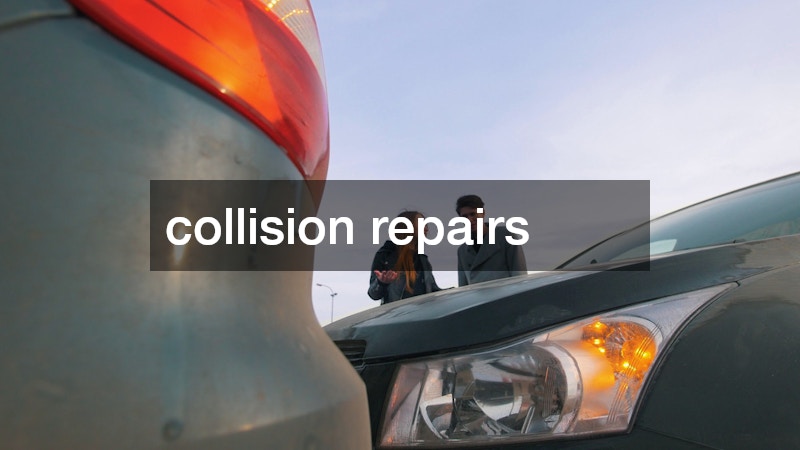
Navigating Insurance, Legal, and Repair Coordination After a Crash
The aftermath of an accident can be overwhelming. Beyond vehicle damage, drivers often face insurance paperwork, medical concerns, and potential liability issues. Knowing how to navigate these challenges reduces stress and delays.
When legal guidance can help
Auto accident attorneys can assist when:
-
Fault is disputed
-
Injuries are involved
-
Insurance settlements seem inadequate
-
Long-term costs or lost income are factors
Their role is to protect your rights while ensuring claims are handled fairly.
Benefits of working with nearby repair professionals
A trusted local auto body shop often provides advantages such as:
-
Faster communication with insurers
-
Familiarity with regional regulations
-
Personalized service and follow-up
-
Easier access for inspections and updates
Tips for smoother coordination
-
Keep copies of all estimates and invoices
-
Document damage with photos immediately
-
Ask how repairs align with insurer requirements
-
Request clear timelines for completion
Clear communication between all parties helps avoid unnecessary delays and ensures repairs meet both safety and coverage standards.
Specialized Care for Larger Vehicles and Long-Term Exterior Protection

Larger vehicles come with unique challenges that standard maintenance approaches don’t always address. Whether you own a recreational vehicle or want to preserve your car’s exterior, specialized services play a key role.
Why size and complexity matter
RV repair requires specialized tools, space, and experience. These vehicles often combine automotive, electrical, plumbing, and structural systems. Common service needs include:
-
Suspension and braking systems built for heavy loads
-
Roof and seal maintenance to prevent leaks
-
Electrical and appliance troubleshooting
-
Chassis and drivetrain inspections
Using technicians familiar with these systems ensures safe operation and prevents costly breakdowns during travel.
Protecting your vehicle’s exterior after repairs
Once mechanical and structural work is complete, protecting the exterior helps maintain value. An auto wrapping service offers benefits such as:
-
Shielding paint from UV damage and road debris
-
Reducing corrosion and surface wear
-
Easier cleaning and maintenance
-
Optional aesthetic customization
For vehicles exposed to long trips, sun, and weather, exterior protection can significantly extend the life of repaired surfaces.
Understanding essential vehicle services empowers drivers to make informed decisions, respond quickly to warning signs, and protect their investment over the long term. From recognizing mechanical issues early to ensuring proper restoration after damage, knowledge is your most valuable tool as a vehicle owner.
By staying proactive, asking the right questions, and relying on qualified professionals, you can improve safety, extend your vehicle’s lifespan, and enjoy greater peace of mind every time you’re on the road.