Replacing or heavily repairing the top layer of your property is unequivocally one of the most expensive, disruptive, and critical maintenance tasks you will ever undertake as a property owner. It is entirely normal to feel a deep sense of overwhelm and anxiety when faced with this prospect. A compromised ceiling does not just represent a financial burden; it represents an immediate threat to the structural integrity of your building and the safety of everything, and everyone, housed inside it. When water breaches your primary defense, the resulting cascade of secondary damage—from destroyed drywall and dangerous electrical shorts to aggressive, toxic mold growth—can quickly multiply your initial repair costs exponentially.
Because the stakes are so incredibly high, the pressure to hire someone quickly can be intense, especially if you are actively dealing with leaks. However, rushing the hiring process is the single most common mistake property owners make, and it is a mistake that frequently leads to disastrous consequences. The construction industry, unfortunately, has its share of unreliable operators who capitalize on the urgency and inexperience of property owners. Hiring the wrong crew often leads to shoddy workmanship that fails after the first heavy storm, the use of substandard materials that void manufacturer warranties, and massive future out-of-pocket expenses to correct their errors.
This guide is designed to provide you with a clear, highly methodical, step-by-step vetting process. A roof is not merely a collection of shingles or membranes; it is a complex, integrated system of ventilation, insulation, drainage, and weatherproofing. Ensuring that system is constructed flawlessly requires more than just a quick internet search. By approaching this selection process with the rigor and strategic planning outlined below, you will guarantee high-quality workmanship, transparent pricing, and the long-term peace of mind that comes from knowing your investment is truly secure.
Matching the Contractor’s Expertise to Your Building Type

The very first step in your vetting process must be defining the exact architectural and structural scope of your property before you even pick up the phone to request an estimate. The roofing industry is highly segmented because the skills, safety equipment, and materials required for different types of buildings are vastly different. Assuming that any general contractor can handle any type of overhead structure is a dangerous misconception that can lead to catastrophic structural failures.
Steep-slope structures, which are typically found on single-family homes or townhouses, rely heavily on gravity and overlapping materials to shed water rapidly. These systems utilize asphalt shingles, clay tiles, wood shakes, or metal panels. Choosing a dedicated residential roofing company is vital in these scenarios. These professionals deeply understand the specific aesthetic requirements of neighborhoods, the strict compliance guidelines enforced by Homeowner Associations (HOAs), and the intricate science of attic ventilation. Proper intake and exhaust ventilation is critical in a home; without it, heat and moisture become trapped in the attic, superheating the living spaces below in the summer and causing condensation that rots the decking from the inside out during the winter. A specialist understands these thermodynamics intimately.
Conversely, industrial and business architectures feature flat or low-slope designs that face entirely different environmental challenges. Because they lack a steep pitch to rely on gravity, these structures do not shed water naturally; they hold it. They require highly specialized, completely watertight membranes that are chemically welded or heat-sealed at the seams to create an impenetrable barrier. If you own or manage an industrial property, it is absolutely non-negotiable to vet specialized commercial roofers for the job.
Industrial structures bring a host of unique logistical hurdles that residential crews simply are not trained or equipped to handle. Consider the following specific challenges:
-
Complex Penetrations: Industrial structures are covered in heavy mechanical equipment, massive HVAC units, skylights, and complex internal drainage scuppers. Every single penetration is a potential leak point that requires custom, specialized flashing techniques.
-
Foot Traffic: Unlike a home, flat industrial tops see regular foot traffic from HVAC technicians, plumbers, and maintenance personnel. The materials chosen must be thick and durable enough to withstand dropped tools and heavy work boots.
-
Chemical Exhaust: Restaurants or manufacturing plants often exhaust grease, chemicals, or intense heat through their ventilation systems. These exhausts can degrade standard materials within months if the wrong membrane is applied.
Guarding Against “Storm Chasers” and Ensuring Long-Term Accountability
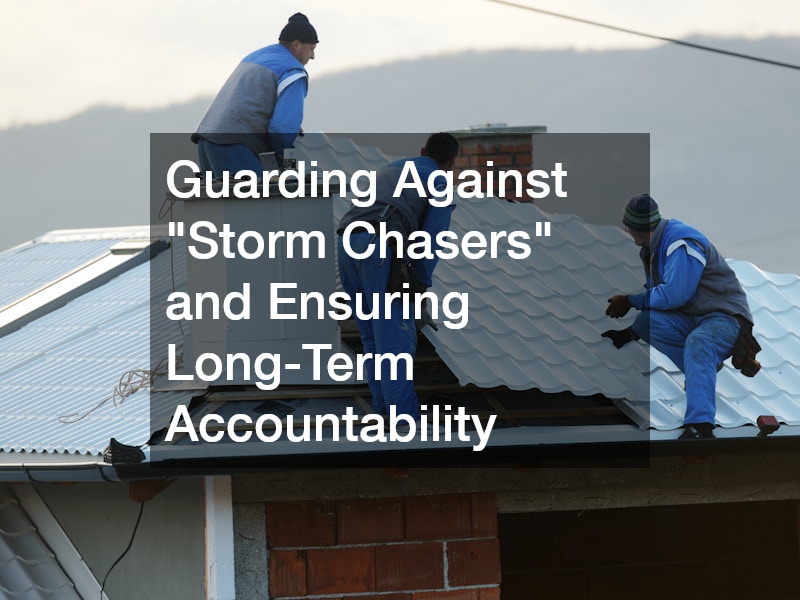
Once you have identified the specific type of expertise your property requires, your next priority is evaluating the geographic permanence and the verifiable reputation of the contractors on your shortlist. In the construction and restoration industry, there is a notorious phenomenon known as “storm chasing.” Following a severe weather event—such as a massive hailstorm, a hurricane, or a localized tornado—out-of-town crews will flood the affected area. They aggressively knock on doors, distribute slick marketing flyers, and often promise to cover your insurance deductible (which is a form of insurance fraud in many jurisdictions).
These transient crews swoop in, complete dozens of jobs as quickly as possible using the cheapest available labor, and then vanish entirely from the state once the work dries up. The devastating reality hits six months later when the first heavy rain reveals massive leaks. When you attempt to call the phone number on your warranty certificate, the line is disconnected. A fifty-year material warranty is completely useless if the workmanship was flawed and the company no longer exists to honor their labor guarantee.
To protect yourself from this scenario, you must prioritize finding a reputable local roofing contractor. A firm that is deeply rooted in your specific geographic area has a vested interest in performing high-quality work because their continued business relies heavily on community word-of-mouth, regional reputation, and localized online reviews. Furthermore, an established regional firm inherently understands your specific regional building codes, the unique climate challenges of your environment (whether that is heavy snow loads, intense coastal humidity, or extreme desert heat), and the intricacies of navigating your local municipal permit approval processes.
When interviewing a potential candidate, you must go beyond reading curated testimonials on their website. You need to verify their community ties rigorously.
-
Verify the Physical Office: Ensure the company has an actual, physical brick-and-mortar office in your area, not just a P.O. Box or a residential home address. Drive by it if necessary to confirm they have a legitimate staging yard for equipment and materials.
-
Check State and Local Licensing: Ask for their specific state license number and manually verify it through your state’s contractor licensing board website to ensure it is active and free of major disciplinary actions.
-
Demand Localized References: A trustworthy local roofer will gladly provide you with a list of addresses in your immediate area where they completed work three to five years ago. This allows you to drive by and see how their craftsmanship actually holds up to the elements over time, rather than just looking at photos of a brand-new, freshly installed system.
Assessing the True Scope and Logistics of Your Project

Understanding the specific nature of your construction project is essential for managing your own expectations, preparing your property, and keeping your contractor accountable. Not all projects are created equal, and the logistical footprint of a project varies wildly depending on whether you are tearing down an existing structure or building one from scratch.
A full local roof replacement is an incredibly invasive, loud, and messy procedure. You are not just adding a new layer; you are stripping an old, deteriorating system entirely down to its foundational skeleton. This process involves the removal and disposal of thousands of pounds of heavy, jagged debris. During the tear-off phase, it is highly common for crews to uncover hidden structural nightmares that were previously concealed by the outer layers, such as severe plywood rot, termite damage, or extensive mold colonies in the decking. A reputable contractor will always include contingency clauses in their initial estimate to clearly explain how they handle and price these unexpected structural discoveries, so you are not blindsided by a massive upcharge halfway through the job.
If you are undergoing a tear-off, you must ask highly specific logistical questions to protect your surrounding property:
-
How will you protect my expensive landscaping, delicate flower beds, and outdoor air conditioning units from falling debris?
-
Where exactly will the heavy disposal dumpsters be placed, and what measures will you take to ensure they do not crack my concrete driveway?
-
What is your specific daily cleanup protocol? (You should demand they use high-powered magnetic sweepers around the entire perimeter of the property every single evening to catch stray nails that could puncture your car tires or injure a child).
-
What is your protocol if a sudden rainstorm occurs while the structural decking is exposed?
On the other hand, a brand-new roof installation on a freshly framed building presents a different set of challenges. While there is no messy tear-off involved, the coordination required is intense. The contractor must work in seamless tandem with the framing carpenters, the electricians, and the HVAC installers. They must strictly adhere to complex architectural blueprints, ensure the initial wooden decking is properly secured, apply the critical ice and water shield underlayments before the other trades can proceed, and manage the exposure of an open-sky structure to the elements. Understanding these distinct phases allows you to ask targeted, intelligent questions that reveal whether a contractor truly understands project management.
Ensuring Compliance and Material Expertise for Business Properties

When you transition from residential properties to managing business-owned or industrial real estate, the regulatory environment and liability risks become significantly more severe. Business properties are heavily scrutinized by municipal code enforcers, OSHA inspectors, and corporate insurance underwriters. If a mistake is made on a sprawling industrial complex, the financial fallout can easily bankrupt a business. Therefore, property managers and corporate owners must hold their contractors to an incredibly strict standard of compliance and material expertise.
The first area of intense scrutiny must be the contractor’s insurance portfolio. While residential contractors certainly need insurance, the limits required for massive industrial jobs are exponentially higher. If a worker falls from a three-story commercial structure, or if a welding torch used on a membrane sparks a fire that burns down a warehouse full of inventory, the liability could reach into the millions of dollars. A specialized commercial roofing company must be able to provide immediate proof of high-limit General Liability insurance and comprehensive Workers’ Compensation coverage for every single person who steps foot on the job site. If they cannot produce these certificates of insurance directly from their broker, you must walk away immediately to avoid being held personally liable for a catastrophic accident.
Beyond basic insurance, industrial contractors must possess deep, specialized knowledge of highly advanced materials that maximize energy efficiency and long-term durability.
-
TPO (Thermoplastic Polyolefin) and PVC (Polyvinyl Chloride): These are popular, highly reflective white membranes that drastically reduce the cooling costs of massive warehouses by reflecting UV rays. The contractor must know how to properly heat-weld the seams to prevent wind uplift.
-
EPDM (Ethylene Propylene Diene Terpolymer): A highly durable, synthetic rubber membrane often used in colder climates.
-
Modified Bitumen: An asphalt-based system ideal for buildings that experience incredibly heavy foot traffic.
Furthermore, you should seek out a firm that does more than just basic installation. The best contractors offer comprehensive commercial roofing services that protect your asset year-round. This includes establishing regular, scheduled preventative maintenance programs to clear drains and inspect flashing. They should also utilize advanced diagnostic technology, such as infrared thermal imaging drones, which can detect trapped moisture beneath the membrane long before it breaches the interior ceiling and ruins your inventory or disrupts your operations.
Preparing for the Unexpected Before Disaster Strikes
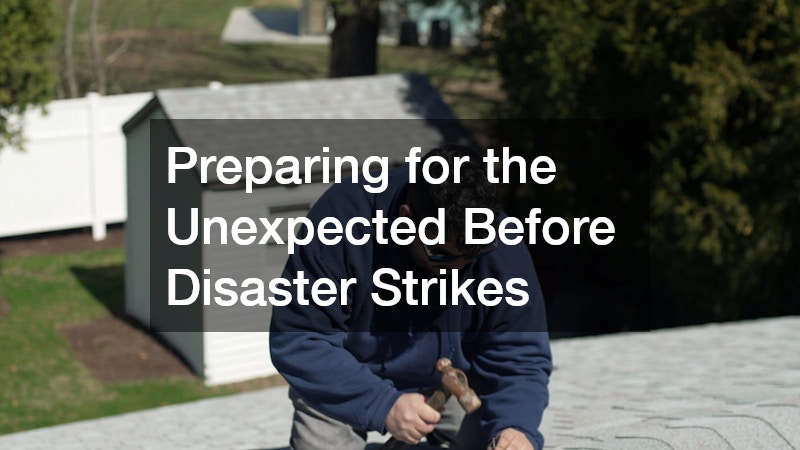
One of the most profound truths in property ownership is that emergencies rarely happen when it is convenient. Catastrophic weather events—such as a microburst ripping the shingles off your home, a heavy tree limb crashing through your rafters during a midnight thunderstorm, or a sudden, massive leak threatening your company’s server room—require instantaneous action. The absolute worst time to start researching contractors, reading reviews, and asking for estimates is at two o’clock in the morning while water is actively pouring onto your living room floor.
When regional weather disasters strike, every reputable contractor in a fifty-mile radius will be overwhelmed with thousands of frantic phone calls within hours. If you are a new, unknown caller, you will be placed at the very bottom of a weeks-long waiting list. However, if you have proactively vetted contractors and established a prior relationship—perhaps by having them out for a routine inspection or minor repair during the dry season—you are much more likely to be prioritized as an existing, preferred client when disaster strikes.
Part of your proactive vetting process should involve asking contractors about their specific protocols for off-hours emergencies. It is highly advantageous to identify a local 24 hour roofer and save their direct emergency dispatch number in your phone. Knowing you have a dedicated, rapid-response team ready to mobilize in the middle of the night provides immeasurable peace of mind.
It is crucial, however, to clearly understand the difference between an emergency response and a permanent repair. During a massive storm, it is completely unsafe for crews to perform structural repairs while lightning is striking or high winds are blowing. The purpose of an emergency response is triage. The crew will dispatch to your property to perform emergency tarping, secure loose debris, and temporarily seal the breach to stop the immediate hemorrhaging of water into your interior spaces. Once the weather clears and the situation is stabilized, they will return days or weeks later to conduct a full, safe structural assessment and execute the permanent fix. Understanding this two-step process prevents unrealistic expectations during a crisis.
Coordinating Construction Timelines with Your Daily Schedule
Once you have meticulously vetted your contractor, verified their credentials, and signed a contract, the final hurdle is managing the actual execution of the project. A major construction project is an inherently chaotic event that will undoubtedly disrupt your daily routine. However, a highly professional crew will work with you to minimize this friction through strategic logistical planning and clear, consistent communication.
Before the first hammer swings, you must sit down with the project manager to establish strict ground rules regarding the construction timeline.
-
Working Hours: Negotiate the exact start and stop times for the crew. If you work from home or have small children who nap, establishing noise boundaries is essential.
-
Parking Logistics: Determine exactly where the crew’s large commercial trucks and the massive disposal dumpsters will be parked so they do not block your vehicles in the garage or anger your neighbors.
-
Material Staging: Agree on where heavy pallets of materials will be stored on your property to ensure they do not crush delicate landscaping or block essential walkways.
When dealing with business properties, the logistical planning becomes a matter of financial survival. Minimizing operational downtime is the primary goal. The complexities of commercial reroofing require a highly strategic approach because shutting down your business for a week to accommodate construction is usually financially unfeasible. A seasoned contractor will execute the project in highly controlled, segmented phases. They will set up strict, OSHA-compliant safety corridors and scaffolding to protect your customers and employees as they enter the building. They will strategically schedule the noisiest activities—such as heavy teardowns or the hoisting of materials via crane—during your business’s off-hours or weekends to ensure your daily operations remain profitable and uninterrupted throughout the construction process.
Finalizing Your Choice and Securing Your Property
Navigating the complex landscape of property maintenance requires patience, diligence, and a refusal to settle for the easiest or cheapest option. Your roof is the primary shield defending your most valuable financial asset, and selecting the team to build or repair that shield is a decision that warrants meticulous scrutiny.
As you finalize your choice, remember that the lowest bid is rarely the best value. Drastically lower estimates almost always indicate that a contractor is cutting corners on material quality, paying inexperienced laborers under the table, or failing to carry the necessary insurance policies to protect you from liability. Always demand comprehensive, itemized written estimates from at least three different contractors so you can accurately compare the scope of their proposed work, not just the final price tag.
Before signing any final agreements, take the time to thoroughly read the fine print regarding both the manufacturer’s warranty on the physical materials and the contractor’s specific guarantee on their workmanship. Finally, maintain your leverage by structuring your payments carefully. Never pay for the entire project upfront. A standard practice is a partial deposit to secure materials and schedule the labor, with subsequent payments tied to specific project milestones. Most importantly, never hand over the final payment until a complete, satisfactory walkthrough has been conducted, the site has been meticulously cleaned of all debris, and you are entirely confident that the work has been executed to the highest possible standard. By adhering strictly to this comprehensive vetting framework, you empower yourself to make a confident, informed decision that will protect your property—and your peace of mind—for decades to come.