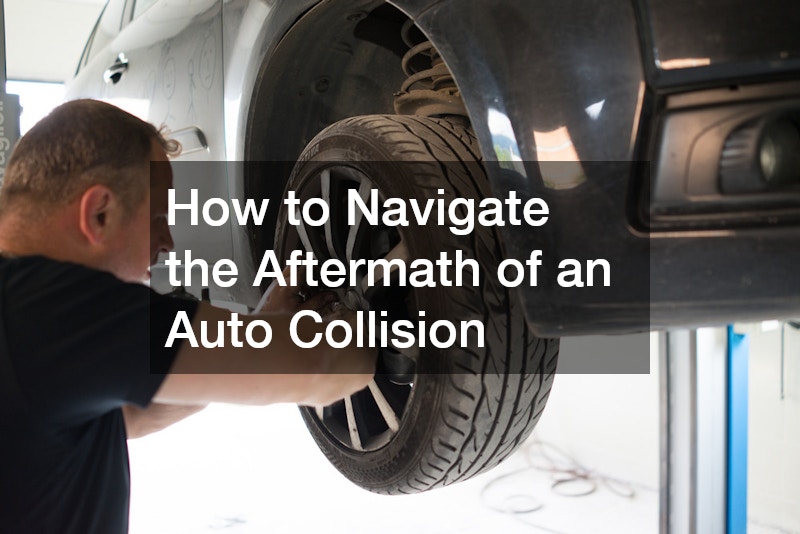

A crash can turn an ordinary drive into a chain of urgent decisions, confusing phone calls, and paperwork that keeps resurfacing for weeks. The goal in the aftermath is to protect people first and protect your legal and financial position second. Only then should you focus on getting the vehicle back in service. When you approach those priorities in order, you reduce avoidable mistakes that later become expensive or difficult to unwind.
This guide walks through the practical steps that matter most, from the minutes after impact to the final documentation you will want to keep. Not every collision creates the same problems. The same categories of risk show up repeatedly: safety, medical follow-up, evidence, insurance timelines, and repair quality. If you treat each category as its own task instead of trying to solve everything at once, the situation becomes manageable.
First Priorities Right After Impact
Start by getting to a safer position if the vehicle can be moved and doing so will not create a new hazard. Turn on hazard lights, check for injuries, and call emergency services when anyone is hurt or traffic conditions are dangerous. When speaking with other drivers, keep the conversation limited to safety and exchanging required information. If the scene is unstable, prioritize distance from traffic and follow instructions from responders.
It is common for a collision to leave you disoriented, especially if airbags deployed or glass broke. If your phone, wallet, or essential items are stuck in the vehicle and a door will not open, an auto lockout service can help without causing additional damage. This is also a situation where you should avoid forcing a jammed handle, because the door structure may already be compromised. Once you are safe, write down the time, location, and any immediate symptoms you notice.
Keys can become a problem in ways people do not anticipate, including loss during impact or damage to a fob that was already worn. If you cannot account for your keys, document that fact and request car key replacement through the channel your insurer or roadside provider requires. Modern keys may also need programming, and that can affect how quickly you can retrieve the vehicle from storage. Treat missing keys as a time-sensitive issue because delays can create storage fees and disrupt rentals.
Even when you feel fine, do not assume adrenaline is telling the truth. Soft tissue injuries and concussions often show up hours later, and delayed symptoms can complicate the story if you do not seek timely care. Ask responders how to obtain a copy of the incident report and get the report number before leaving the scene if possible. If you must be transported, have someone else collect the vehicle information and photos, or ask the officer how to retrieve what you could not capture.
Build a Clear Record While Details Are Fresh
The best evidence is the evidence you gather before the vehicles move, but you can still build a strong record after the fact. Photograph damage from multiple angles, including close-ups and wider shots that show road markings, signs, and sight lines. Capture the other vehicle’s plate and any commercial markings, and write down names and phone numbers of witnesses who are willing to share them. If you spoke with the other driver, note what was said, but do not speculate about fault.
If the vehicle is drivable, consider a controlled inspection soon after the crash to identify hidden issues that can worsen. An auto repair test early in the process can reveal alignment changes, fluid leaks, battery or charging problems, and warning codes triggered by the impact. The point is not to approve work immediately, but to establish an objective baseline of what was affected. Keep the results, photos, and diagnostic notes together so you can reference them during insurance discussions.
Where you take the vehicle matters, but what you ask for matters just as much. Choose an auto repair shop that can provide a written assessment and can explain which findings are safety-critical versus cosmetic. Ask how they document pre-existing damage and how they handle parts sourcing, because that affects both quality and claim approvals. If a tow yard insists on a preferred vendor, note that in writing and keep a record of who said it.
Build a simple file structure while you still have the energy to do it. Save every towing receipt, rental agreement, medication record, and email confirmation in one place, and label files by date. A small amount of organization upfront prevents disputes later, especially when multiple adjusters handle the claim over time. If you have a claim portal, still keep your own copies because portals can change or lose attachments.
Keep the Insurance Claim Moving Without Losing Control
Insurance timelines can feel slow, but the deadlines you face often move faster than you expect. Notify your insurer promptly, provide factual details, and ask for the claim number and the next required steps. Keep a call log with the date, the person you spoke with, and what was agreed, because misunderstandings are common. If the other driver is at fault, you may still need to coordinate with your own carrier depending on your coverage and the state rules.
The repair estimate is not a final answer, and it is normal for costs to change after disassembly. In many claims, auto collision repairs begin with visible damage, then expand as shops find structural or safety system issues underneath. Ask your adjuster how supplements are handled and what documentation the insurer requires when additional damage is discovered. This helps you avoid a stall where the vehicle sits because no one knows who must approve the next step.
Sometimes the collision leads to a total loss, and the decision becomes about replacement rather than repair. If you are shopping for a replacement vehicle, used car dealerships can vary widely in documentation, reconditioning practices, and how they handle prior damage disclosures. Focus on transparency: request vehicle history documentation, confirm return policies in writing, and verify that the title status is clear. Consider your timeline and budget so you can choose a vehicle that supports daily reliability without creating new financial strain.
Rental coverage, storage fees, and towing charges can become the quiet drivers of cost. Ask early how long rental coverage applies and what triggers the end of coverage, such as a repair completion date or a total loss determination. If the vehicle is in storage, ask whether the insurer will move it to a different yard, and get that decision confirmed in writing. In disputed claims, escalations work best when you can present a clean timeline with supporting documents.
Decide on Repairs With Safety and Resale in Mind
Repair decisions are easier when you define what “done” means before work starts. Auto body shops can differ in their willingness to explain structural work, calibrations, and how they confirm that panels and safety systems meet specifications. Ask what measurements they take, whether they have access to manufacturer procedures, and how they document repairs for future resale. A clear conversation at the beginning reduces the odds of surprises at pickup.
Not every crash involves a passenger car, and heavier vehicles change the equation. If you rely on a work vehicle, a truck repair service may need to address drivetrain components, cooling systems, steering, suspension, or brake wear that can be accelerated by an impact. The key is to distinguish collision-related damage from pre-existing maintenance needs, then document both so the claim stays focused. If the vehicle is essential to income, ask for realistic sequencing so you can plan around downtime.
If you were towing or hauling, inspect the entire setup, not just the tow vehicle. Trailer tires and wheels can take a sharp side load in a collision, and the damage may not be obvious until heat and weight stress the component on the next trip. Look for sidewall bulges, bent rims, uneven tread wear, and unusual vibration at speed. If you cannot inspect safely, have a qualified technician do it before returning to highway use.
Cost control in repairs is less about haggling and more about clarity. Ask for a line-item estimate that separates labor, parts, paint materials, and sublet work like alignments or calibrations. Confirm whether replacement parts are new, aftermarket, or recycled, and how that choice affects coverage under the policy. When you keep the discussion concrete and documented, it is easier to resolve disagreements without delays.
Manage Transportation and Daily Logistics
Life does not pause during a claim, especially when the vehicle supports work or family responsibilities. For business operators and fleet drivers, downtime can cascade into missed deliveries, staffing issues, and contract problems. If a crash leaves equipment stranded, diesel fuel delivery may be used as a short-term solution to reposition vehicles safely rather than risking a drive with potential damage. Treat logistics decisions as safety decisions first, even when schedules are tight.
Plan for the reality that you may need to sign documents, show identification, and coordinate pickups while you are stressed. Assign one primary point of contact for the claim if possible, and share that person’s information with the adjuster and the repair facility. Confirm where the vehicle is stored and who has authority to release it, because yards will not always accept a phone call as permission. Small coordination failures can add days to the timeline.
The aftermath also creates one-off tasks that are easy to miss, like retrieving child seats, toll transponders, or work tools. Ask the storage yard about supervised access and document what you remove with photos, especially if items are damaged or missing. If the vehicle is not safe to enter, do not attempt to climb over deployed airbags or broken glass. In many cases, a calm, methodical approach reduces both injury risk and disputes.
Confirm the Work and Protect Yourself From Repeat Problems
Once repairs are underway, shift your mindset from approval to verification. An auto repair test near the end of the job can confirm alignment readings, scan results, warning light status, and any calibration requirements for modern driver assistance systems. Ask for documentation of what was tested and what the results were, not just a verbal assurance. If something feels off on the first drive, stop and document the symptoms immediately.
Do not assume a clean exterior means the vehicle is restored to pre-crash condition. After auto collision repairs, request a final walkthrough that covers panel gaps, paint consistency, sensor function, and any replaced structural components. Ask how they verified that safety systems are operating as designed, and request copies of calibration reports when applicable. It is reasonable to ask for a clear explanation of what was done, because you may need to disclose repairs later.
Quality control is also about communication and boundaries. If you are working with auto body shops, confirm how they handle post-repair issues, what documentation they need to recheck concerns, and whether follow-up visits are scheduled as part of completion. Keep your notes factual: describe symptoms, conditions, and timing rather than assumptions about what went wrong. This approach makes it easier to resolve issues quickly without escalating conflict.
When repairs intersect with routine maintenance, draw a bright line on the invoice. An auto repair shop may recommend unrelated items, and those recommendations might be reasonable, but they can also blur the insurance scope. Ask for separate estimates and separate authorization so you can make an informed decision without complicating reimbursement. Keeping collision work and elective work distinct also helps if you later sell the vehicle and need clean records.
Wrap Up the Paper Trail and Plan the Next Steps
Once the vehicle is back, the administrative work is not finished, but you can contain it. Keep the repair invoice, parts list, and any photos the shop provides, and store them with the incident report and claim correspondence. If you replace the vehicle, used car dealerships may ask for proof of payout, lien releases, or documentation that clarifies title status. Having your records ready reduces pressure and prevents last-minute scrambles.
If your keys were damaged or lost, close the loop so the problem does not reappear months later. Car key replacement often comes with documentation that shows programming, key codes, and what was provided, and that paperwork matters if you have another issue later. Ask whether the claim reimburses part of the cost, and keep the receipt with the rest of your file. If you receive multiple keys, test each one before you put the paperwork away.
Think about the small vulnerabilities the collision revealed, especially the ones that are easy to prevent. If you were locked out during the incident or recovery, note how you will access the vehicle in the future and what provider you will call. A planned approach to an auto lockout service is less stressful than trying to find help while standing on the shoulder of a road. Keep those details written down in your phone and in your glove box once the vehicle is returned.
Consider Commercial Equipment and Heavy Use Scenarios
Commercial drivers and contractors often face a different set of pressures because equipment downtime impacts revenue. A truck repair service may need to coordinate with insurers, dispatch, and compliance requirements, and that can expand the timeline even when the damage looks minor. Ask for written status updates at agreed intervals so you can plan routes, staffing, and substitutions. When you treat repair updates as an operational input, you avoid last-minute disruptions.
If a trailer was involved, do not treat it as an accessory that can wait until later. Trailer tires and wheels affect braking stability and handling, and a failure on the road creates safety and liability risks far beyond the initial crash. Request an inspection that includes bearings, brakes, and coupling components, then document what was found. The cost of inspection is often minor compared to the consequences of an undetected failure.
Be Ready for the Next Unplanned Disruption
Preparedness is not about assuming another crash will happen, but about reducing the friction when the unexpected occurs. For fleets, diesel fuel delivery can be part of a contingency plan when vehicles are stranded by an incident, weather, or mechanical failure, and the plan should include who authorizes the service. For individuals, the equivalent is keeping a clear contact list, knowing your coverage details, and maintaining a simple documentation habit. The objective is to shorten decision time without scrambling for information when you are already stressed.
Finally, return to normal driving with a deliberate check of what you learned. Update emergency contacts, confirm your insurance documents are current, and make sure any medical follow-up is completed and documented. If the experience exposed gaps in your maintenance routine, address those calmly, one item at a time, rather than trying to overhaul everything immediately. When you close the loop thoughtfully, the aftermath becomes a resolved chapter instead of an ongoing source of stress.