Major life changes rarely arrive one at a time. A health crisis, a surgery, an addiction recovery journey, or a sudden mobility change can upend daily routines just when structure matters most. Wearable trackers, once mostly associated with step counts and sleep scores, have quietly become practical tools for people navigating these transitions. This article looks at the real, specific ways these devices support recovery across different circumstances, so you can decide if one belongs in your own plan.
Monitoring Vital Signs After a Hospital Discharge
Coming home after a hospital stay can feel disorienting, especially when you are told to watch for warning signs but are not sure what those actually look like day to day. Discharge papers often list vague instructions like “call your doctor if your heart rate seems high” or “watch for signs of low oxygen,” but most patients have no reliable way to know what their heart rate normally runs or what their blood oxygen looked like before they got sick. Wearable trackers that monitor heart rate, oxygen saturation, and sleep patterns give patients and caregivers a continuous picture instead of relying on memory or guesswork between doctor visits. Many devices now allow users to set custom alert thresholds, so a caregiver can be notified if a loved one’s resting heart rate climbs above 100 beats per minute or their oxygen saturation drops below 92 percent, both common benchmarks clinicians use to flag potential trouble. Sleep tracking adds another layer, since fragmented or unusually short sleep can be an early indicator of pain, infection, or medication side effects that might otherwise go unnoticed until a follow-up appointment. This is particularly useful for people recovering from cardiac events, infections, or major surgeries who need to catch complications early. A patient recovering from bypass surgery, for example, can track whether their heart rate returns to a stable baseline over several weeks, while someone recovering from pneumonia can watch for a slow, steady improvement in oxygen levels rather than wondering if a bad day is actually a relapse. For caregivers managing an aging parent’s recovery from afar, some trackers even sync data to a shared app, turning what used to be an anxious phone check-in into a quick glance at real numbers.
Many of these devices now include alert features that flag irregular heart rhythms, unusually low oxygen levels, or sudden spikes in resting heart rate, prompting a call to a nurse line or a decision to head to the ER rather than waiting it out at home. For someone recovering from cardiac surgery, for instance, a tracker that notices blood oxygen dipping below 90% can trigger a conversation with a care team hours before symptoms would otherwise become obvious. That kind of early warning can shorten recovery timelines and prevent small issues from becoming emergencies. Some hospitals now pair discharge instructions with specific threshold numbers, telling patients to watch for a heart rate above 100 bpm at rest or oxygen saturation under a set level, so the data isn’t just background noise but a clear trigger for action. Caregivers often find this reassuring too, since they cannot be present around the clock. A family member checking a companion app from work can see a sudden irregularity and call home or alert a visiting nurse before the situation worsens. This remote visibility also reduces the guilt and anxiety that often comes with leaving a recovering loved one alone, even briefly, during the first fragile weeks after discharge.
- Heart rate variability tracking to spot stress or strain during recovery, with sudden drops often flagged before patients consciously feel overexerted
- Resting heart rate trends that reveal whether the body is handling the return to normal activity or still needs more downtime
- Blood oxygen monitoring for respiratory recovery after illness or surgery, useful for catching dips linked to pneumonia, COPD flare-ups, or anesthesia aftereffects
- Sleep stage tracking to identify disrupted rest, since low deep-sleep percentages are strongly tied to slower tissue repair and weaker immune response
- Fall detection features for patients with temporary mobility limitations, which can automatically alert caregivers or emergency contacts within seconds
- Customizable alert thresholds so family members or care teams are notified only when readings cross medically meaningful limits, reducing false-alarm fatigue
Tracking Hormone Related Recovery and Energy Levels

People going through hormone related treatments often experience fluctuations in energy, mood, and sleep that can be hard to describe accurately at a follow-up appointment weeks later. Wearables that log daily activity, resting heart rate, and sleep consistency give both patients and physicians objective data to review together. For someone undergoing testosterone therapy, this kind of tracking can reveal patterns long before the person would notice a change on their own.
Trends matter more than single data points in this context. A gradual increase in daily activity or a steadier overnight heart rate can indicate that treatment is working as intended, while persistent fatigue despite adequate sleep might prompt a dosage conversation. Bringing weeks of consistent data to an appointment tends to produce more useful conversations than relying on memory alone.
Supporting Physical Rehabilitation After Body Contouring Procedures
Recovery from cosmetic procedures involves more than just waiting for swelling to go down. Activity trackers help patients pace themselves correctly during the weeks when movement needs to be deliberate, not avoided entirely and not overdone. Someone recovering from male liposuction, for example, is often advised to walk short distances multiple times a day to reduce swelling and lower clot risk, and a tracker makes it simple to confirm those walks are actually happening at the right frequency.
Beyond step counts, many wearables track resting heart rate and sleep quality, both of which tend to shift during the body’s healing process. Noticing an unexpected spike in resting heart rate or a sudden drop in sleep quality can be an early signal worth mentioning to a surgeon, rather than something to dismiss. This kind of passive monitoring takes pressure off patients who might otherwise second-guess every twinge or ache during recovery.
- Step count goals that match a surgeon’s walking recommendations
- Resting heart rate trends to flag possible complications
- Sleep tracking to monitor how well the body is healing overnight
- Activity reminders that discourage both overexertion and inactivity
Rebuilding Structure During Addiction Recovery
Early recovery often depends on rebuilding routines that addiction disrupted, things like consistent sleep, regular meals, and physical activity. Wearable trackers give people a simple, nonjudgmental way to see these patterns clearly, which can be motivating during a period when self-trust is still being rebuilt. Many treatment programs now actively encourage wearable use as part of aftercare planning once someone transitions out of inpatient drug rehab.
Sleep tracking in particular tends to matter a great deal in this context, since disrupted sleep is both a common withdrawal symptom and a relapse risk factor. Seeing sleep scores improve week over week can reinforce that recovery is progressing even when it does not feel that way emotionally. Some people also use heart rate data to recognize physical signs of stress or cravings before they escalate, giving them a moment to use coping strategies they learned in treatment.
Adapting to New Mobility Needs and Equipment
Life changes that affect mobility, whether from surgery, illness, or a progressive condition, often require learning to use new equipment while also adjusting activity expectations. Wearable trackers can help here by shifting their default step-based goals toward metrics that make more sense for a person’s actual situation, such as active minutes or wheel rotations where supported. This reframing matters emotionally too, since hitting a modified goal still provides a sense of accomplishment instead of a daily reminder of what someone can no longer do.
For individuals who rely on disability scooters for part or all of their daily mobility, trackers can still capture meaningful data like upper body movement, heart rate during transfers, and overall activity throughout the day. This information helps physical therapists understand real-world activity levels rather than relying solely on in-clinic assessments. It also gives users a way to notice gradual improvements in strength or endurance that might otherwise go unnoticed.
- Customizable activity goals beyond step counting
- Heart rate monitoring during transfers and seated exercise
- Data sharing options for physical therapists and occupational therapists
- Reminders to shift position and avoid prolonged pressure in one spot
Using Sleep and Stress Data to Guide Mental Health Recovery
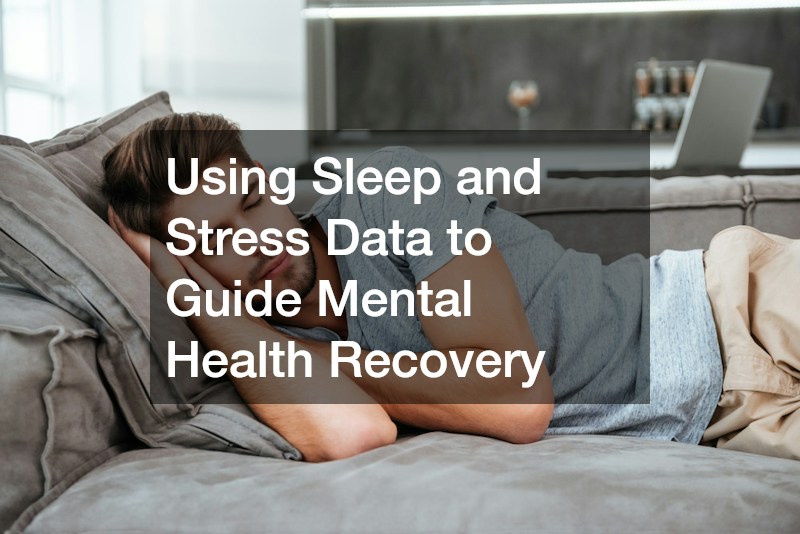
Major life changes, even positive ones, often come with elevated stress that shows up physically before it is recognized emotionally. Many wearables now track heart rate variability as a stress indicator, giving users a early signal that it might be time to slow down, reach out to a therapist, or adjust their schedule. This kind of biofeedback can be especially helpful for people who tend to minimize their own stress levels until they reach a breaking point.
Sleep data plays a similar role, since poor sleep often precedes mood changes by several days. Noticing a consistent decline in sleep quality gives people a chance to intervene early, whether that means adjusting caffeine intake, revisiting a therapy schedule, or simply prioritizing rest. Over time, this data can also help identify personal patterns, like specific weekdays or situations that reliably correlate with poor sleep or elevated stress.
- Heart rate variability as an early stress indicator
- Sleep quality trends linked to mood and mental clarity
- Guided breathing features built into many modern devices
- Weekly trend reports that reveal patterns invisible day to day
Wearable trackers are not a replacement for medical care, therapy, or professional guidance, but they do offer something valuable during major life transitions: consistent, objective information at a time when everything else feels uncertain. Whether recovery involves a hospital discharge, a procedure, a mobility change, or an addiction treatment program, the right device can make progress visible in ways that build confidence. The best next step is to think honestly about which specific challenges you are facing and choose a tracker with features that actually match those needs, rather than picking one based on brand recognition alone.